Spelling Help for Kids with ADHD
Why traditional spelling practice fails ADHD brains — and what the research says actually works.
ADHD affects spelling through working memory and executive function — not intelligence or effort. Understanding the cause changes everything about how you practice.
Why ADHD Makes Spelling Hard
Three specific cognitive systems are impaired in ADHD — and all three are required for accurate spelling.
Working Memory
Spelling requires simultaneously holding the word's sound, retrieving its letter sequence, and monitoring what you've typed. Working memory — the brain's mental whiteboard — is significantly impaired in most children with ADHD. When this system is overloaded, errors occur even on words previously mastered.
Executive Function
Proofreading a word — noticing it looks wrong and self-correcting — requires executive function: the ability to pause, shift attention to an error, evaluate it, and act. This higher-order self-regulation is consistently impaired in ADHD, which is why standard "check your work" advice rarely helps.
Dopamine Regulation
ADHD involves dysregulation of the dopamine system — the brain's reward and motivation circuitry. Low intrinsic reward from repetitive tasks (like writing a word 10 times) fails to sustain attention. This is neurological, not a character flaw. Practice structures that deliver frequent, variable rewards genuinely change engagement levels.
Important: Research confirms ADHD children make more spelling errors than neurotypical peers even when copying words verbatim. This means spelling difficulty is a neurological symptom — not a sign of low effort, low intelligence, or carelessness. Treating it as a behavior problem makes outcomes worse.
Common Myths That Hold ADHD Kids Back
"My child is just lazy about spelling."
Studies show ADHD children make spelling errors even when copying words verbatim. The cause is neurological, not motivational.
"Writing words 10 times will fix it."
Repetitive drills are among the least effective strategies for ADHD kids. Novel, multisensory approaches produce dramatically better retention.
"They'll grow out of it."
Without targeted intervention, ADHD-related spelling difficulties typically persist. With the right practice structure, significant improvement is achievable at any age.
"A spelling app is just a distraction."
Apps designed around ADHD cognitive profiles — adaptive difficulty, audio, immediate feedback, game mechanics — outperform paper practice for most ADHD learners.
6 Evidence-Based Strategies That Work
Drawn from peer-reviewed research on ADHD, working memory, and spelling acquisition. Each one maps to how SpellCrush is built.
Short, Daily Sessions
5–10 minutes beats 30-minute marathons
ADHD brains experience attention fatigue rapidly. Research on spaced practice shows that five daily 10-minute sessions produce significantly better retention than one 50-minute session per week. Consistency matters more than duration.
SpellCrush sessions are structured around a configurable daily word goal — not a fixed time block — so practice ends on a win, not exhaustion.
Multisensory Input
Hear it. See it. Type it.
Combining auditory, visual, and kinesthetic channels simultaneously creates stronger memory traces than any single modality. For ADHD kids, hearing a word pronounced while seeing it and typing it activates more brain regions — compensating for working memory gaps.
Every word is spoken aloud via TTS before the child types it. AI-generated visual images give reluctant learners a second memory anchor.
Immediate, Specific Feedback
Don't wait — respond in milliseconds
ADHD brains are particularly sensitive to delayed feedback. When a reward or correction is delayed even by seconds, the associative link between the behavior and the consequence weakens. Instant, enthusiastic positive reinforcement maintains the dopamine engagement necessary for continued practice.
Correct answers trigger immediate confetti and XP. Wrong answers reveal the correct spelling instantly — no waiting, no accumulating frustration.
Adaptive Difficulty
Never too hard, never too boring
Children with ADHD have a lower tolerance for tasks they perceive as too difficult and disengage quickly when they feel lost. Equally, they disengage from tasks that feel too easy. The sweet spot — slightly challenging but achievable — is where learning and motivation coexist.
SpellCrush automatically adjusts difficulty by age and tracks mastery per word. Words a child struggles with reappear more frequently; mastered words recede from rotation.
Gamification That Sustains Attention
XP, streaks, and achievements aren't gimmicks — they're neuroscience
ADHD is associated with dysregulation of the dopamine system — the brain's reward and motivation circuitry. Game mechanics that deliver frequent, variable rewards activate this system in ways that sustain attention across a full practice session. Critically, rewards must be meaningful but not overwhelming, and progress must be clearly visible.
Permanent XP and 10 progression levels ensure long-term motivation. Streaks reward consistency. 15 achievements celebrate milestones. Rewards are never reset without parent action.
AI-Powered Mnemonics
Memory hooks beat rote repetition
Traditional "write the word 10 times" strategies are particularly ineffective for ADHD kids because repetitive tasks trigger disengagement. Mnemonics — vivid, personalized memory hooks — give the brain something interesting to attach to the word, bypassing the need for raw memorization.
SpellCrush's AI generates age-appropriate mnemonic hints using the child's past mistakes and the word itself, cached to avoid repeat API costs.
Age-by-Age ADHD Spelling Guide
ADHD spelling challenges shift as children develop. Here's what to expect — and what to focus on — at each stage.
Short attention spans, limited phonemic awareness, fatigue after 3–4 words
Focus on 3–5 high-frequency words per session. Audio-first — hear before typing. Celebrate every correct answer.
Inconsistency — words mastered Monday forgotten by Friday, visible frustration with errors
Daily 5-minute sessions beat weekly long sessions. Introduce spaced repetition for failed words. Visual image aids help retention.
Complex phonics rules, writing speed not matching mental pace, copying errors persist
Multisensory: hear + see + type. Break words into syllable chunks. AI hints for irregular spellings. Self-check routines build metacognition.
Academic pressure, self-consciousness about struggles, inconsistency under stress
Progress visibility matters — show improvement over time, not just scores. Harder vocabulary in engaging contexts. Student-driven practice goals.
Disengagement from "kid" practice tools, working memory under heavy academic load
Harder words, meaningful mnemonics, personal context. Focus on automaticity so spelling stops competing for executive function during writing.
How SpellCrush Addresses ADHD Specifically
SpellCrush was built as an adaptive platform — not a digital flashcard. Here's how the features map to ADHD research.
Adaptive Difficulty
Word difficulty scales automatically with age. Mastered words exit rotation. Struggling words return more frequently. No manual configuration needed.
Audio-First Practice
Every word is spoken before the child types it. Audio pronunciation is always available on demand. Hearing + typing = dual-channel encoding.
Instant Feedback Loop
Correct: immediate confetti + XP. Wrong: word revealed instantly. No delayed scoring. No end-of-test tallies that arrive too late to matter.
AI Mnemonic Hints
For Premium families, Claude AI generates personalized memory hints — age-appropriate and tuned to the specific mistakes the child has made.
Learning Support Mode
An optional per-child toggle (Premium) that enables Focus Mode — distractions fade from the screen while your child types — and brief difficulty check-ins every 6 correct words. Built specifically for children who benefit from reduced visual load and structured self-reflection.
Visual Image Aids
AI-generated images help children associate the word with a memorable picture — particularly valuable for visual learners and kids who disengage from text-only practice.
Long-Term Gamification
XP and levels never reset. 15 achievements across 5 categories. Streaks reward daily consistency. A family reward store gives parents control over motivation.
Parent Oversight
Parents see accuracy, difficulty distribution, and practice frequency in a visual dashboard. Weekly AI-generated narrative progress reports arrive by email.
Custom Word Lists
Premium families can load classroom word lists or IEP-aligned word sets. Practice becomes directly relevant to school — closing the gap between home and classroom.
Configurable Daily Goal
Each child has a daily word goal parents can adjust. Short-session practice is built in — not a workaround. Sessions end on a win when the goal is met.
A short round with no typing and no timer
Spot the Spelling is a ten-word practice mode where your child hears a word and taps the right spelling from three or four. There is no countdown, nothing to type in order to answer, and the feedback after every answer can't be skipped: the right spelling turns green and is read aloud again. That makes it an easy round to start a session with, or to come back to when typing feels like too much. A wrong pick is followed by a short look, cover, write step.
It earns a little XP and counts as practice for the day, but never counts towards mastery, so typed practice stays the main event. Read the research behind it, or try the free spelling quiz.
Learning Support Mode
A single toggle in your child's profile that enables two features built specifically for children who benefit from more structure during practice.
Focus Mode
The session header and action buttons fade out the moment your child starts typing. The word and input field are the only things on screen at the moment of peak cognitive effort. Everything reappears instantly when typing stops or feedback is shown.
Reduces visual competition for attention at exactly the right moment.
Difficulty Check-ins
Every 6 correct words, a card asks your child: Hard, OK, or Easy? One tap and practice continues immediately. Children with attention challenges often lack self-monitoring skills — these brief, structured pauses teach them to notice how difficult something actually felt.
Builds metacognitive awareness. Answers drive future word scheduling.
How to enable: Edit the child's profile from your dashboard → scroll to the Learning Support toggle → switch on. Takes effect at the next practice session. XP, rewards, and levels are unaffected.
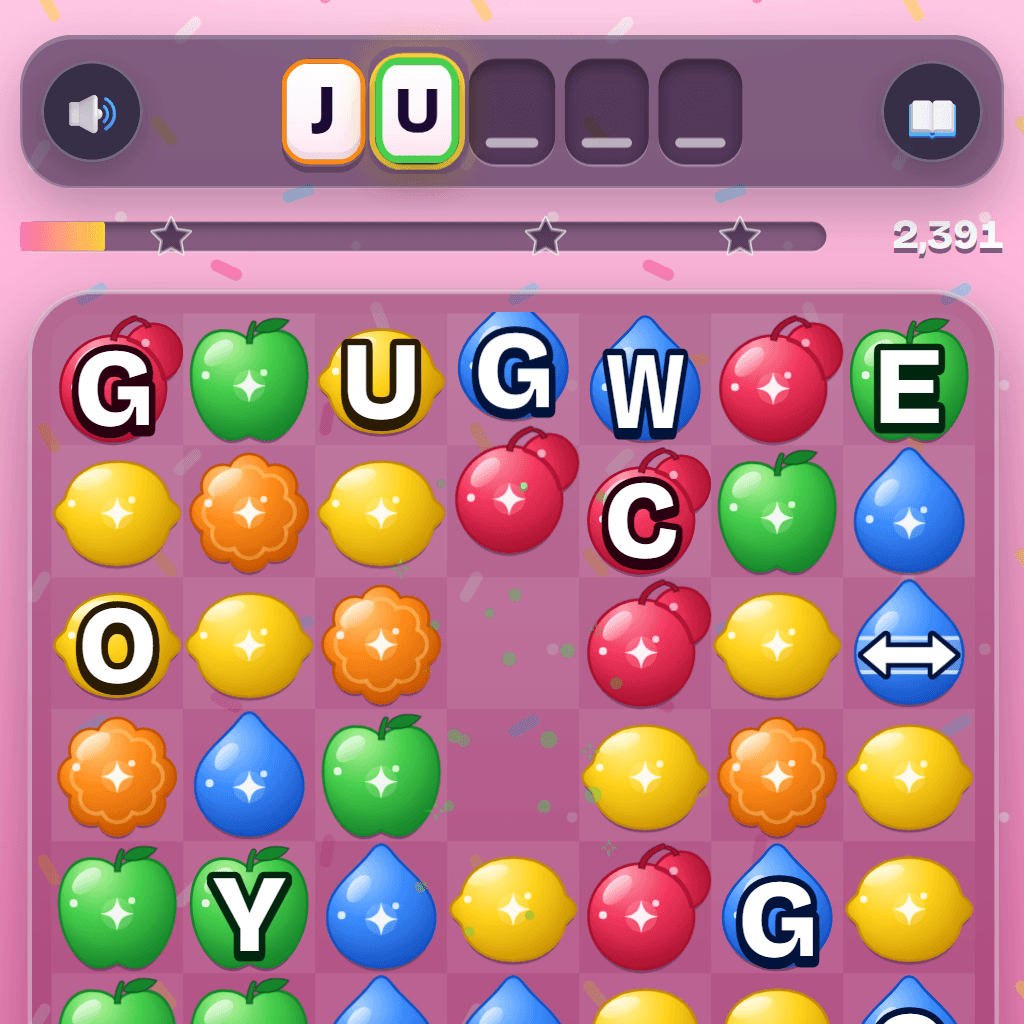
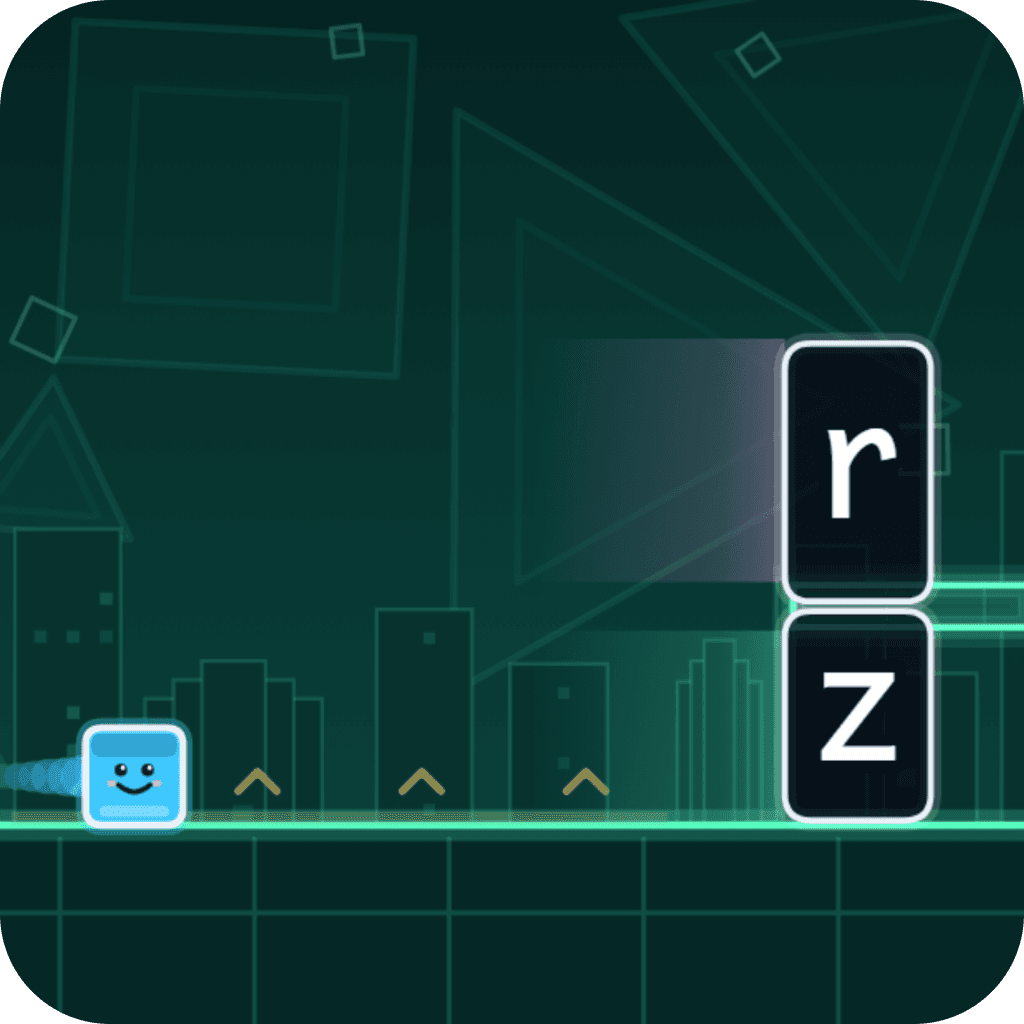
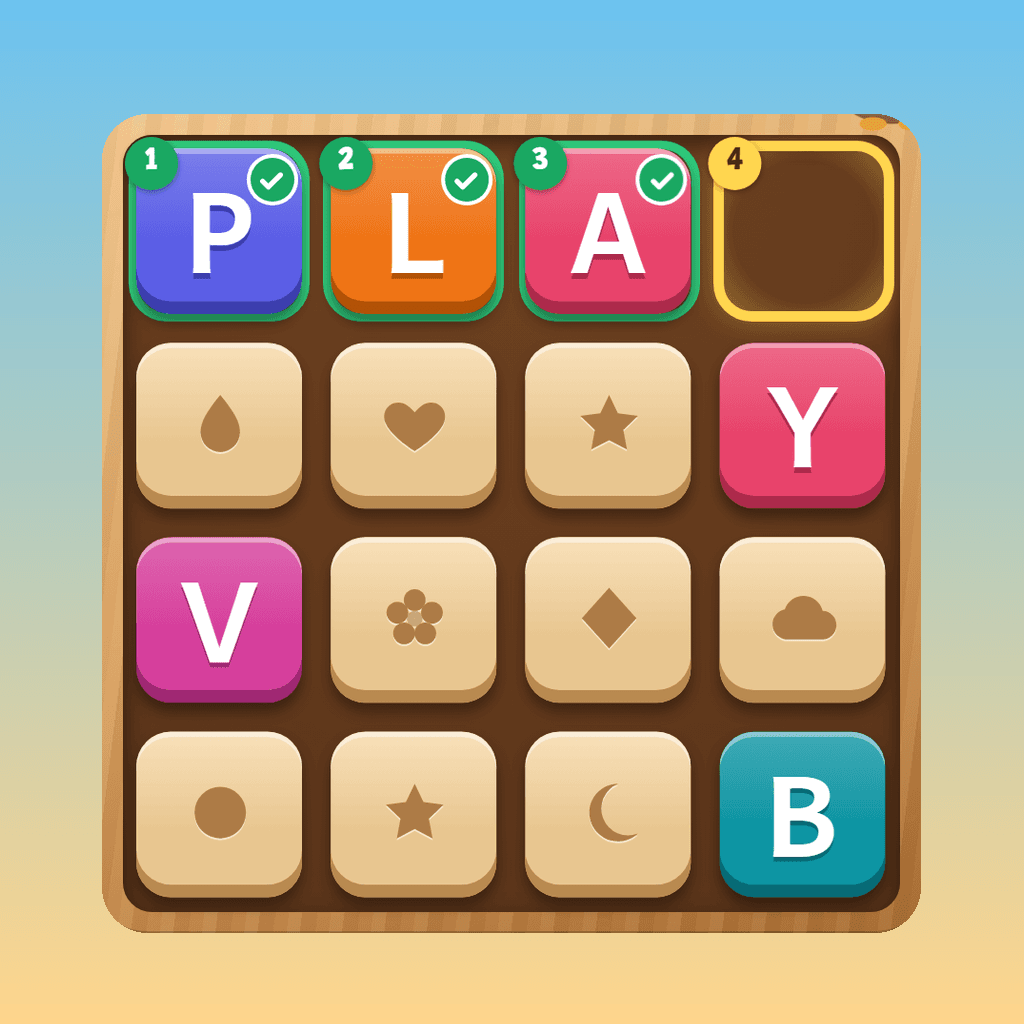
Short, free spelling games to try at home
A game is an easy way to practice between word lists. These are free, play in the browser and need no sign-up.

Frequently Asked Questions
Why do kids with ADHD struggle with spelling?
ADHD affects spelling primarily through working memory deficits and executive function challenges. Working memory is the cognitive system that holds phoneme-to-grapheme mappings while a child attends to the task. When this system is taxed, spelling errors occur even on words the child has previously mastered. Research shows ADHD children make more spelling errors than neurotypical peers even when copying words verbatim — confirming the cause is neurological, not effort-related.
What spelling strategies work best for ADHD kids?
The most evidence-supported strategies are: (1) multisensory learning — combining audio, visual, and tactile channels simultaneously; (2) self-monitoring — teaching children to track their own on-task behavior, which studies show increases both time-on-task and spelling accuracy to levels comparable to neurotypical peers; (3) spaced repetition — revisiting difficult words at increasing intervals to build long-term retention; (4) short, frequent sessions — 5–10 minutes daily outperforms 30-minute weekly sessions for ADHD brains; (5) immediate, positive feedback — dopamine-reinforcing rewards for correct answers maintain engagement and motivation.
How many words should an ADHD child practice per session?
Research consistently recommends 5–10 words per session for children with ADHD, with sessions kept under 15 minutes. This prevents attention fatigue and cognitive overload. Brief movement breaks between sessions further improve retention. Daily short practice produces better outcomes than longer infrequent sessions.
Is a spelling app better than worksheets for ADHD kids?
For most children with ADHD, interactive digital practice outperforms paper worksheets because it delivers immediate feedback, integrates audio pronunciation, and uses game mechanics (streaks, points, achievements) that sustain the dopamine engagement ADHD brains need. The key is choosing an app designed around short adaptive sessions rather than one that simply replicates worksheet drilling on screen.
Does ADHD cause dyslexia or are they the same thing?
ADHD and dyslexia are distinct conditions that frequently co-occur. Dyslexia is a phonological processing disorder — the brain struggles to map sounds to letters. ADHD spelling difficulties are rooted in working memory and attention. A child can have either condition, both, or neither. Children with both conditions need multisensory instruction that addresses both phonological decoding and attention/memory challenges simultaneously.
Can ADHD kids become good spellers?
Yes. Spelling difficulty in ADHD is largely a product of how practice is structured, not a fixed ceiling on ability. When instruction is adapted to ADHD cognitive profiles — short sessions, multisensory input, spaced repetition, adaptive difficulty, and immediate feedback — children with ADHD demonstrate significant and measurable spelling improvement. The goal is to make correct spelling automatic so it no longer competes for limited working memory resources.
Start Building Better Spelling Habits Today
SpellCrush gives ADHD kids the adaptive, audio-first, gamified practice their brains respond to. Free for 7 days, cancel anytime.
$4.99/mo or $49.99/yr after trial · Cancel anytime · COPPA compliant