Year 2 Spelling Words
124 words for Year 2 in the UK, Australia and New Zealand — long vowel teams, -ing and -ed endings, contractions, compound words and the statutory exception words.
In England and Wales, Year 2 is ages 6–7 — the final year of Key Stage 1.
In Australia and New Zealand, Year 2 is ages 7–8 — about a school year ahead of UK Year 2.
One list, two year systems. The core sections below are pitched at the younger UK cohort. The extension words at the end are the ones Australian and New Zealand Year 2 classes usually reach first, and they are the natural next step for confident UK spellers.
What Spelling Skills Does Year 2 Cover?
Year 2 is where children start changing words rather than just writing them — adding endings, joining words together, and squeezing two words into one with an apostrophe. By the end of the year, most children can:
Long Vowel Teams (22 Words)
Two letters that together make one long vowel sound. The hard part is not hearing the sound — it is choosing which team spells it, since rain and play use the same sound and different letters. Position is the clue: ai sits inside a word, ay sits at the end.
Adding -ing and -ed (20 Words)
Three rules cover almost every word: double the final consonant after a short vowel (hopping), drop the e before the ending (smiling), and change y to i (cried). Teaching them as a set of three, rather than word by word, is what makes them stick.
Practice tip: write hoping and hopping side by side and ask which one means wishing. One doubled letter changes the whole word — children remember the rule far better once they have seen it do something.
Contractions (12 Words)
The apostrophe stands exactly where the missing letters were. Say the full form first — do not — then cross out the letters that disappear, and the apostrophe has an obvious home.
Compound Words (16 Words)
Two whole words joined into one, with nothing added and nothing dropped. Compound words look long and frightening, but a child who spots the two smaller words inside can already spell them.
Common Exception Words (36 Words)
Statutory Year 2 words from the English National Curriculum. Many of them share a hidden pattern — find, kind, mind and behind all use the same long i — so grouping them beats learning them one at a time.
Extension Words (18 Words)
The trickiest words on the statutory Year 2 list, and the ones Australian and New Zealand Year 2 classes usually reach first. Several of them — could, should, would — are worth learning as a family.
Practise These Words in British or Australian English
SpellCrush lets you set your child's spelling variant to British or Australian English, so the app marks their classroom spellings as correct. Every word is read aloud, and kids earn XP for practising daily.
Start Free Practice →Or take the Year 2 spelling quiz: hear each word and tap the right spelling.
Not Sure If Your Child Is at Year 2 Level?
Take our free five-minute spelling assessment — no sign-up required. It finds your child's actual spelling level and suggests where to start.
Free Spelling TestSpelling games for Year 2
A game is an easy way to practise between word lists. These are free, play in the browser and need no sign-up.
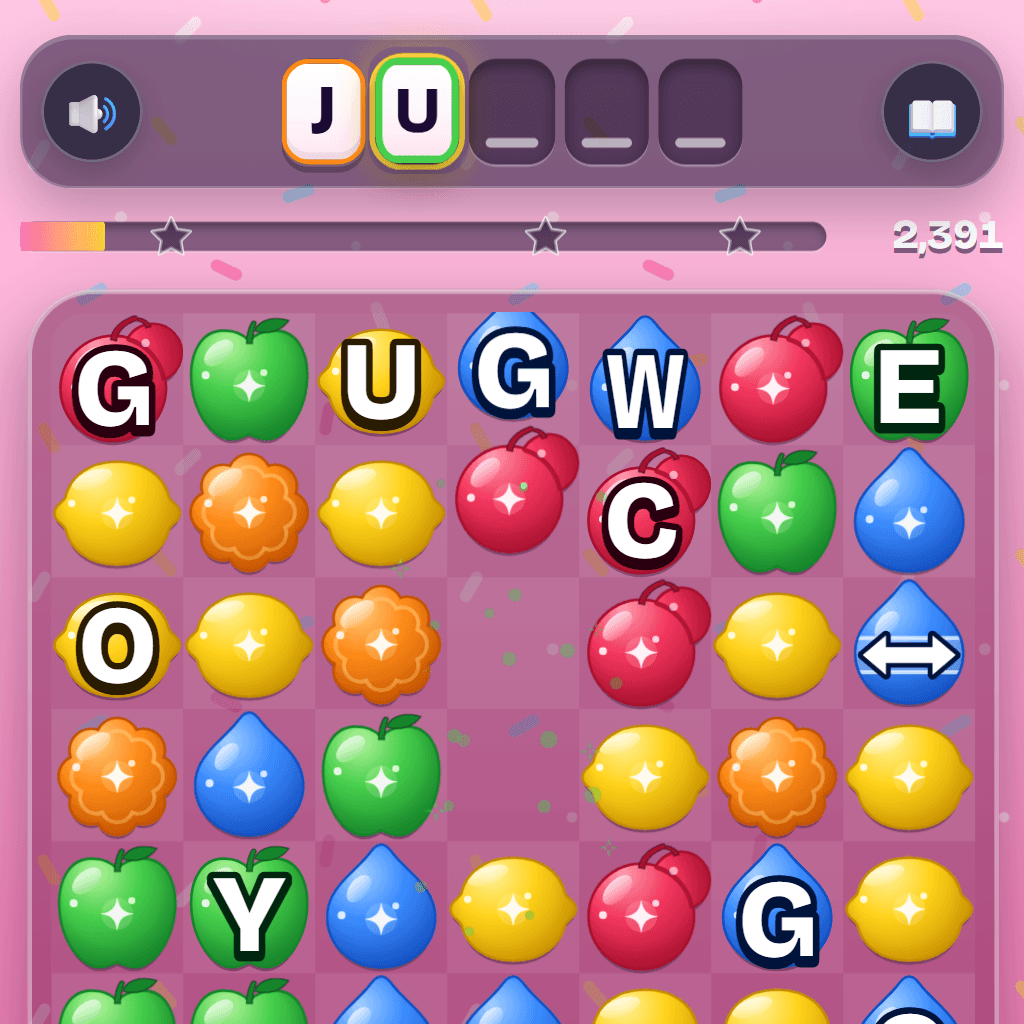
Spell Crush
Match 3 · Ages 5+
Swap candies, match three, pop the letters your word needs.
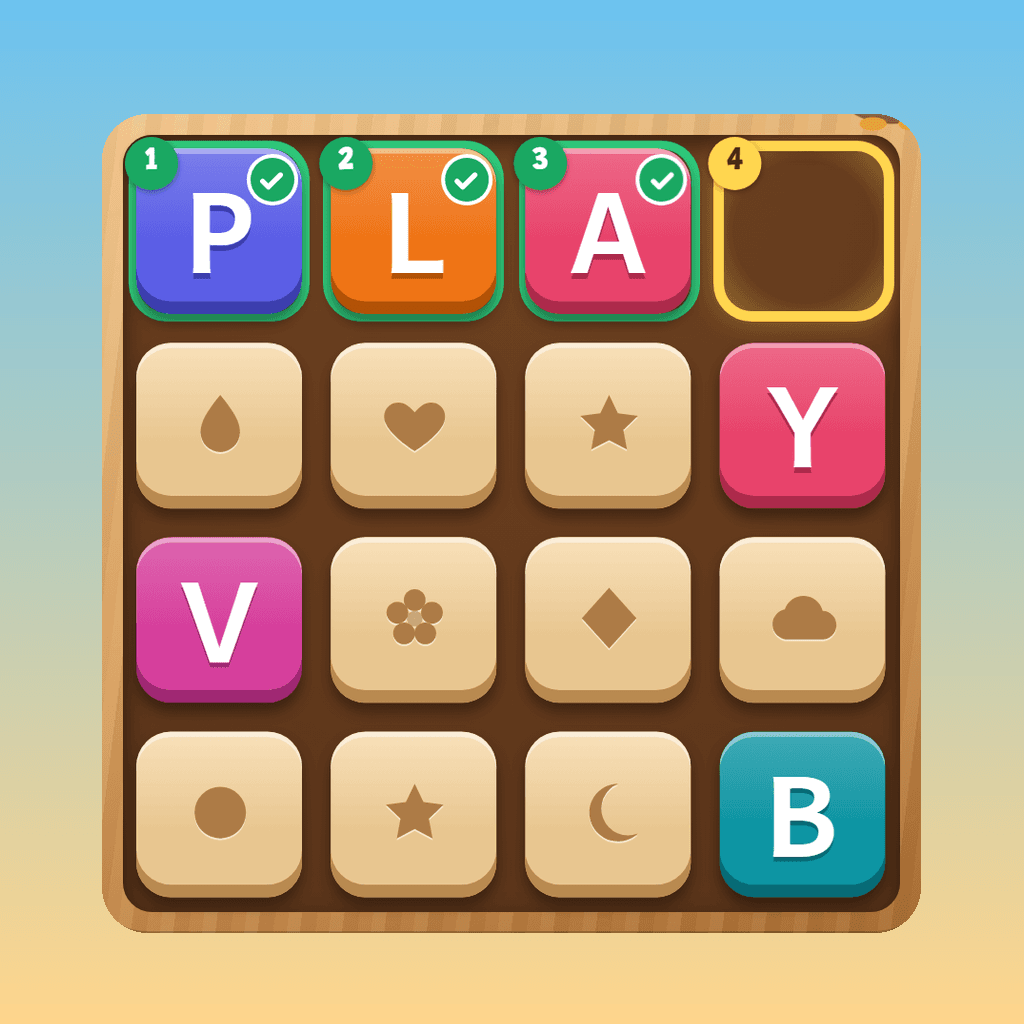
Play these wordsSpell Slide
Sliding puzzle · Ages 5+
Slide the letter tiles into the glowing boxes to spell the word.
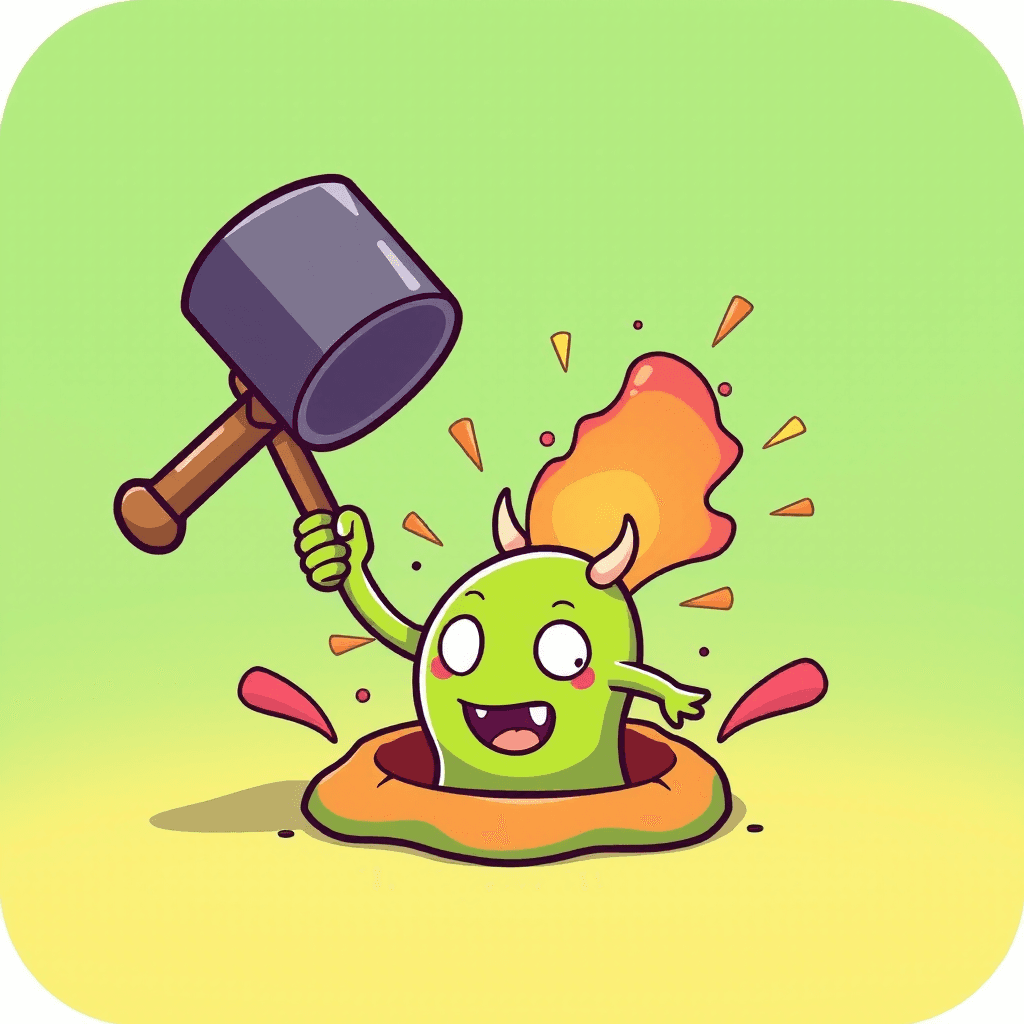
Play these wordsSplat Attack
Whack-a-mole · Ages 5+
Monsters pop up with letters. Smash the ones that spell the word.
Play these words

Frequently Asked Questions
What spelling words should a Year 2 child know?
By the end of Year 2, children should be spelling long vowel teams such as ai, ee, oa and igh, adding -ing and -ed with the doubling and y-to-i rules, writing common contractions with the apostrophe in the right place, and spelling the statutory Year 2 exception words. That is around 120 words taught explicitly.
Is Year 2 in Australia the same as Year 2 in the UK?
No. In England and Wales, Year 2 is ages 6 to 7 and ends Key Stage 1. In Australia and New Zealand, Year 2 is ages 7 to 8 - about a school year ahead. The core sections here suit the younger UK cohort, and the extension words are the ones Australian Year 2 classes usually reach first.
When does a letter double before -ing and -ed?
When the word has one syllable, one short vowel and one final consonant: hop becomes hopping, not hoping. That single contrast - hopping and hoping - teaches the rule faster than any list, because the meaning changes visibly with the doubled letter.
Are these words spelled the British and Australian way?
Yes. Every word uses British spelling, which Australia and New Zealand share at primary level. Year 2 is where the differences start to show up in real writing, so it is a good year to name them out loud rather than letting a child absorb both forms at random.
Where does the apostrophe go in a contraction?
Exactly where the missing letters were. In do not, the o of not disappears, so don't has the apostrophe in its place. Children who learn the rule as a position, rather than as a decoration near the end, stop writing forms like do'nt.
Spelling Practice Your Child Will Actually Do
SpellCrush turns the Year 2 list into a game — XP, achievements and rewards, with a progress dashboard for parents. Free for 7 days, cancel anytime.
Try SpellCrush Free →Looking for the US Equivalent?
In the US, this is roughly 1st grade for the UK cohort and 2nd grade for the Australian one. The American lists are not translations of this one — they use American spellings and a different sequence — so treat them as a companion, not a substitute.