Year 4 Spelling Words
120 words for Year 4 in the UK, Australia and New Zealand — the -sion and -ssion endings, French-origin words, prefixes, possessive apostrophes and the statutory Year 3/4 list.
In England and Wales, Year 4 is ages 8–9 — the second year of Key Stage 2.
In Australia and New Zealand, Year 4 is ages 9–10 — about a school year ahead of UK Year 4.
One list, two year systems. The core sections below are pitched at the younger UK cohort. The extension words at the end are the ones Australian and New Zealand Year 4 classes usually reach first, and they are the natural next step for confident UK spellers.
What Spelling Skills Does Year 4 Cover?
Year 4 is the year the exceptions arrive. Children already know -tion; now they meet the three other ways English spells the same sound, plus a set of words that keep their original French spelling. By the end of the year, most children can:
The Other Ways to Spell "shun"
Four endings, one sound. The choice is not random — it is decided by the root word, so a child who looks at the root before writing the ending gets it right nearly every time.
French-Origin Words (12 Words)
English borrowed these words from French and kept the French spelling, so -gue says a hard g and -que says k. They look impossible until a child knows they are a family, at which point they become the easiest words on the page.
Practice tip: cheque is spelled this way in the UK, Australia and New Zealand — the American spelling is a different word here. It is a good one to name explicitly, because children see the American form in films and games.
Prefixes (24 Words)
Year 4 prefixes carry meaning you can reason about: sub- is under, inter- is between, auto- is self. The one that trips children up is in-, which changes shape to match the letter after it — im- before m and p, il- before l, ir- before r.
Possessive Apostrophes (12 Forms)
Write the plural first, then add the apostrophe. If the plural already ends in s, the apostrophe goes after it — the girls' bags. If it does not, the apostrophe goes before the s — the children's bags.
Statutory Year 4 Words (34 Words)
The second half of the English National Curriculum Year 3/4 word list — the first half is on the Year 3 page. These are the words children are expected to spell by the end of Year 4, and they are tested more often than anything else on this page.
Extension Words (20 Words)
The remaining statutory words, and the ones Australian and New Zealand Year 4 classes usually reach first. Note though, thought and through — three words, one letter string, and the beginning of the -ough work that fills Year 5.
Practise These Words in British or Australian English
SpellCrush lets you set your child's spelling variant to British or Australian English, so the app marks favourite and cheque as correct — not as mistakes. Every word is read aloud, and kids earn XP for practising daily.
Start Free Practice →Or take the Year 4 spelling quiz: hear each word and tap the right spelling.
Not Sure If Your Child Is at Year 4 Level?
Take our free five-minute spelling assessment — no sign-up required. It finds your child's actual spelling level and suggests where to start.
Free Spelling TestSpelling games for Year 4
A game is an easy way to practise between word lists. These are free, play in the browser and need no sign-up.
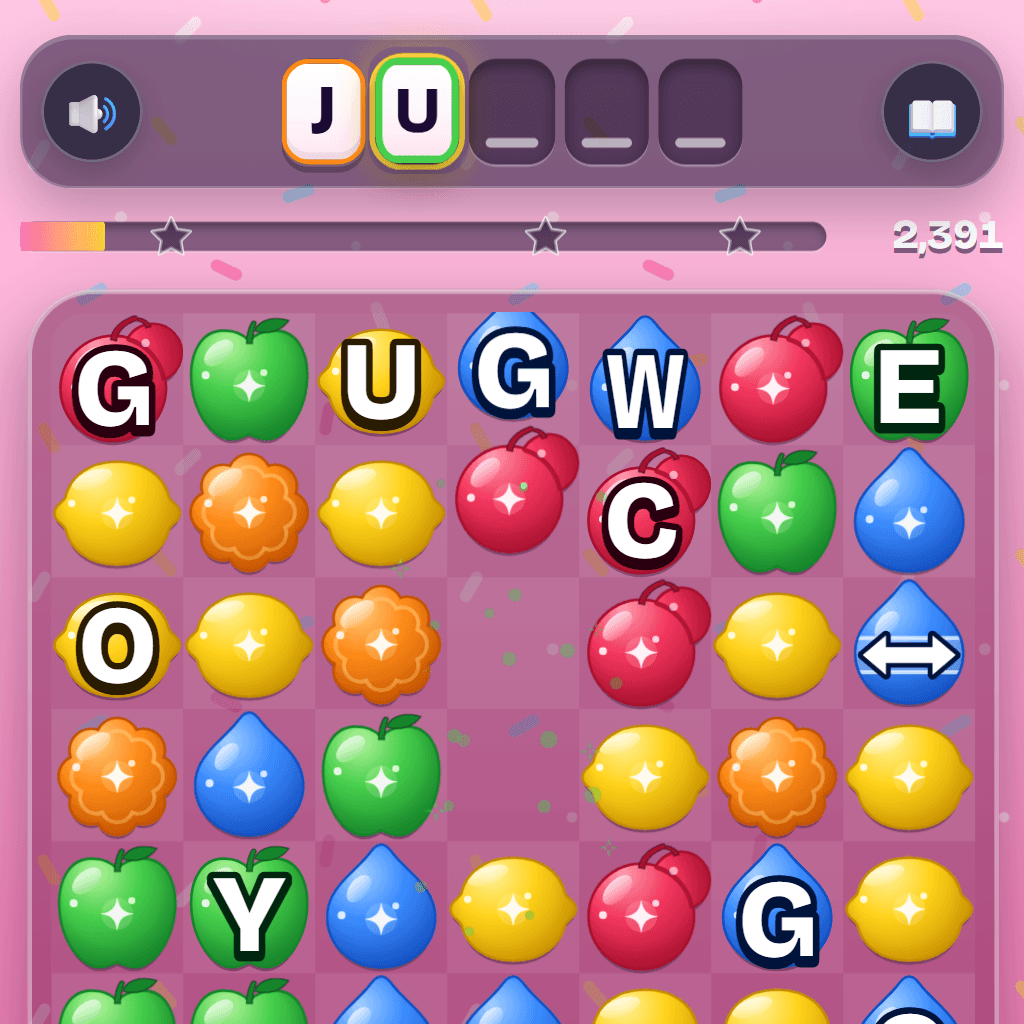
Spell Crush
Match 3 · Ages 5+
Swap candies, match three, pop the letters your word needs.
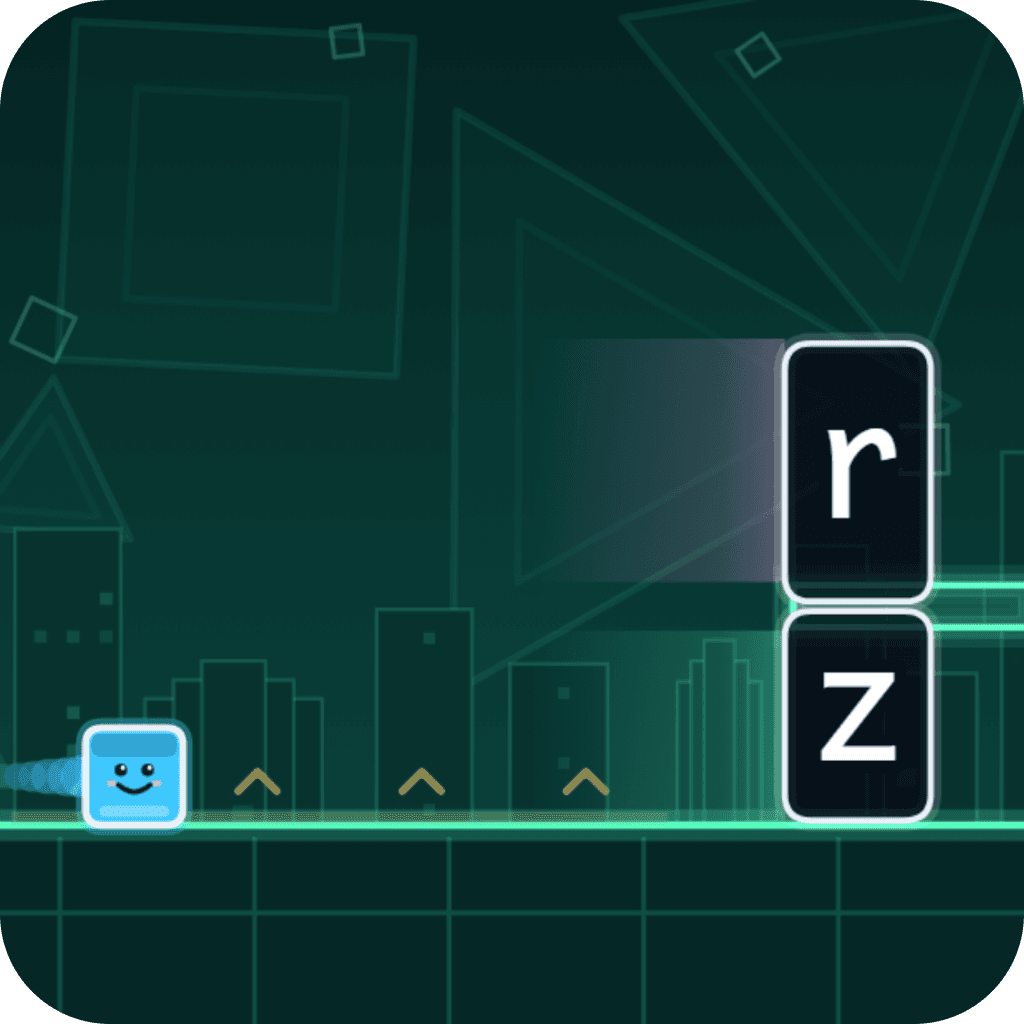
Play these wordsSpell Dash
Rhythm runner · Ages 7+
Tap to jump. Pick the right letter road. Don't crash!
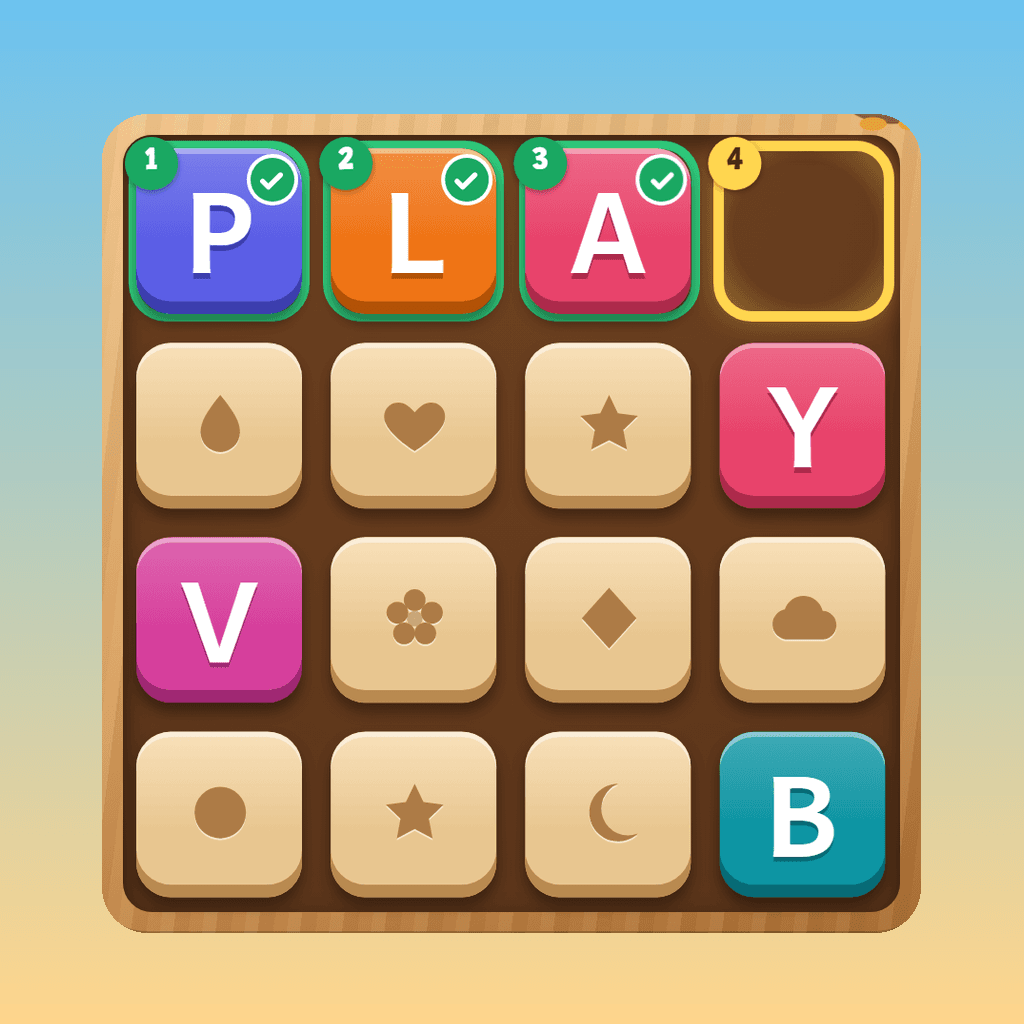
Play these wordsSpell Slide
Sliding puzzle · Ages 5+
Slide the letter tiles into the glowing boxes to spell the word.
Play these words

Frequently Asked Questions
What spelling words should a Year 4 child know?
By the end of Year 4, children are expected to spell the whole statutory Year 3/4 word list, use the -sion, -ssion, -tion and -cian endings correctly, add prefixes such as in-, im-, sub-, inter- and auto-, and place the possessive apostrophe correctly with plural nouns.
Is Year 4 in Australia the same as Year 4 in the UK?
No. In England and Wales, Year 4 is ages 8 to 9. In Australia and New Zealand, Year 4 is ages 9 to 10 - about a school year ahead. The core sections here suit the younger UK cohort, and the extension words are the ones Australian Year 4 classes usually reach first.
How do I know whether to write -tion, -sion, -ssion or -cian?
Look at the root word. If it ends in -ss or -mit, use -ssion (permit becomes permission). If it ends in -d or -se, use -sion (divide becomes division). If the word is a job or a person, use -cian (music becomes musician). Everything else is -tion, which is why we teach that one first, in Year 3.
Are these words spelled the British and Australian way?
Yes. Every word uses British spelling, which Australia and New Zealand share at primary level - favourite with a u, and cheque rather than the American form. American lists spell several of these words differently, which is exactly the problem this page exists to solve.
Where does the apostrophe go for a plural possessive?
After the s if the plural already ends in s (the girls' bags), and before it if the plural does not (the children's bags). The test is to write the plural first, then decide where the apostrophe belongs - never the other way round.
Spelling Practice Your Child Will Actually Do
SpellCrush turns the Year 4 list into a game — XP, achievements and rewards, with a progress dashboard for parents. Free for 7 days, cancel anytime.
Try SpellCrush Free →Looking for the US Equivalent?
In the US, this is roughly 3rd grade for the UK cohort and 4th grade for the Australian one. The American lists are not translations of this one — they use American spellings and a different sequence — so treat them as a companion, not a substitute.