Sight Words
Every Dolch and Fry list in full, what the difference between them actually is, and how to teach them without turning reading into a chore.
What Is a Sight Word?
A sight word is a word a child recognizes instantly, as a whole, without sounding it out. Two different kinds of word end up on these lists. Some are irregular — said, was, come, they — and decoding them letter by letter produces the wrong answer. Others are perfectly regular but so common that pausing to decode them wrecks the flow of a sentence.
Both kinds are taught the same way: repeatedly, in small sets, until recognition is automatic. That is the whole method, and it is why sight word practice is one of the few parts of early literacy where two minutes a day genuinely outperforms an hour at the weekend.
Dolch or Fry? The Difference in One Table
| Dolch (1936) | Fry (1996) | |
|---|---|---|
| Size | 220 words + 95 nouns | 1,000 words |
| Organized by | School year, five lists | Frequency, in hundreds |
| Chosen because | They resist sounding out | They appear most often in print |
| Typical use | US elementary schools, K-3 | Schools preferring frequency order |
| Coverage | 50-75% of children's book text | First 100 alone: ~50% of all text |
They overlap heavily — most of Fry's first hundred is also on a Dolch list — but they are not interchangeable, and a school that says "Fry 2" means something specific. If you are not sure which your child's school uses, Dolch is the safer guess in US elementary schools, and working through either list is time well spent.
The Dolch Lists
Five graded lists totalling 220 words, plus a separate list of 95 nouns taught across all the early grades. Every list is printed in full below: open one to see each of its words.
Dolch Pre-Primer
40 wordsShow all 40 wordsHide the 40 words
Words 1–10
Words 11–20
Words 21–30
Words 31–40
Dolch Primer
52 wordsShow all 52 wordsHide the 52 words
Words 1–10
Words 11–20
Words 21–30
Words 31–40
Words 41–50
Words 51–52
Dolch First Grade
41 wordsShow all 41 wordsHide the 41 words
Words 1–10
Words 11–20
Words 21–30
Words 31–40
Words 41–41
Dolch Second Grade
46 wordsShow all 46 wordsHide the 46 words
Words 1–10
Words 11–20
Words 21–30
Words 31–40
Words 41–46
Dolch Third Grade
41 wordsShow all 41 wordsHide the 41 words
Words 1–10
Words 11–20
Words 21–30
Words 31–40
Words 41–41
Dolch Nouns
95 wordsShow all 95 wordsHide the 95 words
Words 1–10
Words 11–20
Words 21–30
Words 31–40
Words 41–50
Words 51–60
Words 61–70
Words 71–80
Words 81–90
Words 91–95
All 220 Dolch Words
Every level on one page, plus the 95 nouns.
The Fry Lists
The 1,000 most common words in printed English, in frequency order and grouped in hundreds. The first three hundreds are the ones worth drilling, and all three are printed in full below.
Fry First 100
100 wordsShow all 100 wordsHide the 100 words
Words 1–10
Words 11–20
Words 21–30
Words 31–40
Words 41–50
Words 51–60
Words 61–70
Words 71–80
Words 81–90
Words 91–100
Fry Second 100
100 wordsShow all 100 wordsHide the 100 words
Words 1–10
Words 11–20
Words 21–30
Words 31–40
Words 41–50
Words 51–60
Words 61–70
Words 71–80
Words 81–90
Words 91–100
Fry Third 100
100 wordsShow all 100 wordsHide the 100 words
Words 1–10
Words 11–20
Words 21–30
Words 31–40
Words 41–50
Words 51–60
Words 61–70
Words 71–80
Words 81–90
Words 91–100
How the Fry 1,000 Works
Why frequency order matters, and where to stop.
How to Teach Sight Words
The method barely changes from the pre-primer list to Fry's third hundred. What changes is how much of the work is reading and how much is spelling.
- Five to ten words at a time. A list of 220 is a year of work; a set of five is this week.
- Two or three minutes, daily. Recall is a memory task, and memory rewards spacing far more than duration.
- Do not sound out the irregular ones. Teaching a child to decode said teaches a strategy that fails.
- Hunt for them in real books. Recognition becomes automatic in running text, not on a card.
- Check speed, not just accuracy. A word that takes a second of thought has not been learned yet.
The one thing most people get wrong: reviewing only the current set. Sight words decay quickly. Keep every learned word in a review rotation, even after it looks solid — that is exactly what SpellCrush does automatically.
Practice these words now
A real SpellCrush session on 10 words from the Dolch and Fry list — each one read aloud with a picture, a definition and a hint. No account, nothing to print.
Start the 10-word session →The 10 words are drawn from 414 of the 615 on this page, so each visit drills a different set.
Print, Practice, Track
Free worksheets
Trace, scramble, word search and more, generated as a PDF.
Printable flashcards
The classic sight word tool, printed six to a page.
Free assessment
Ten minutes to find the level your child is actually at.
Sight word games for kids
A game is an easy way to practice between word lists. These are free, play in the browser and need no sign-up.
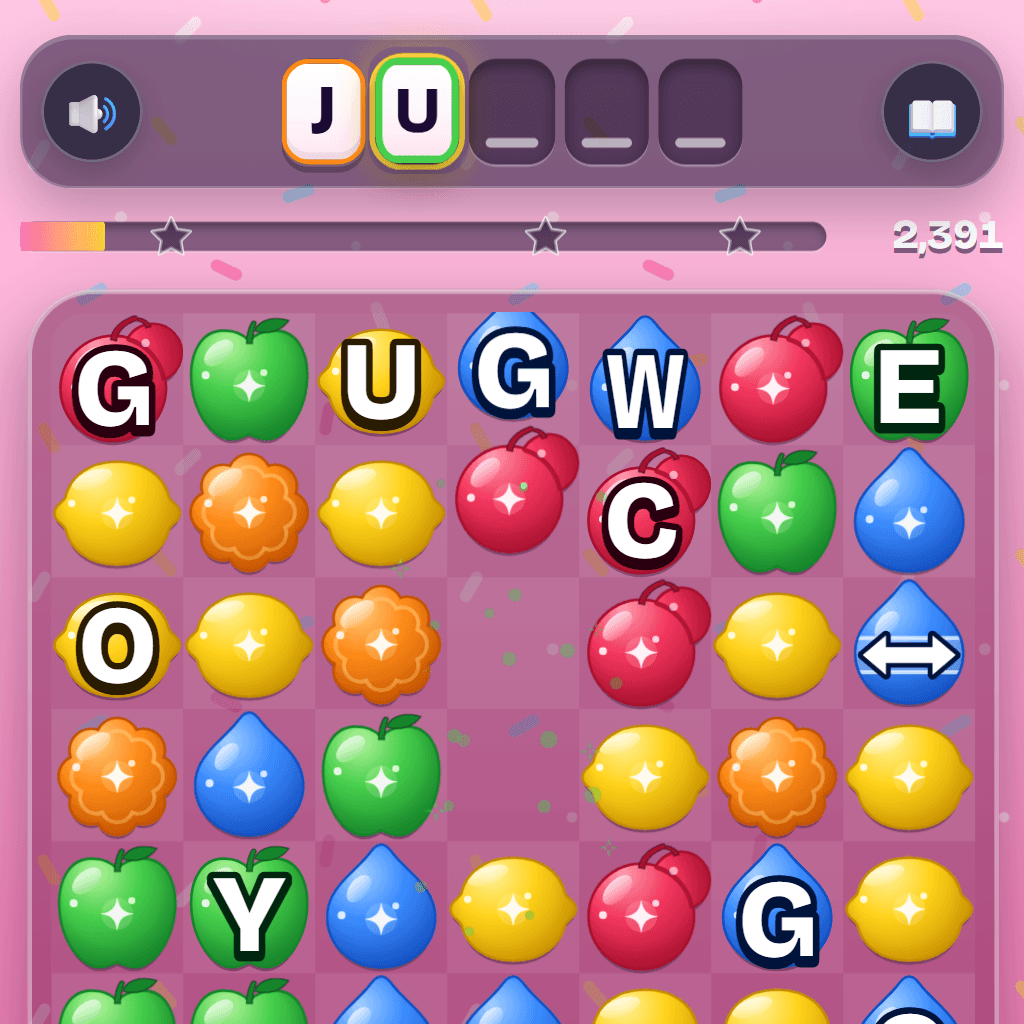
Spell Crush
Match 3 · Ages 5+
Swap candies, match three, pop the letters your word needs.
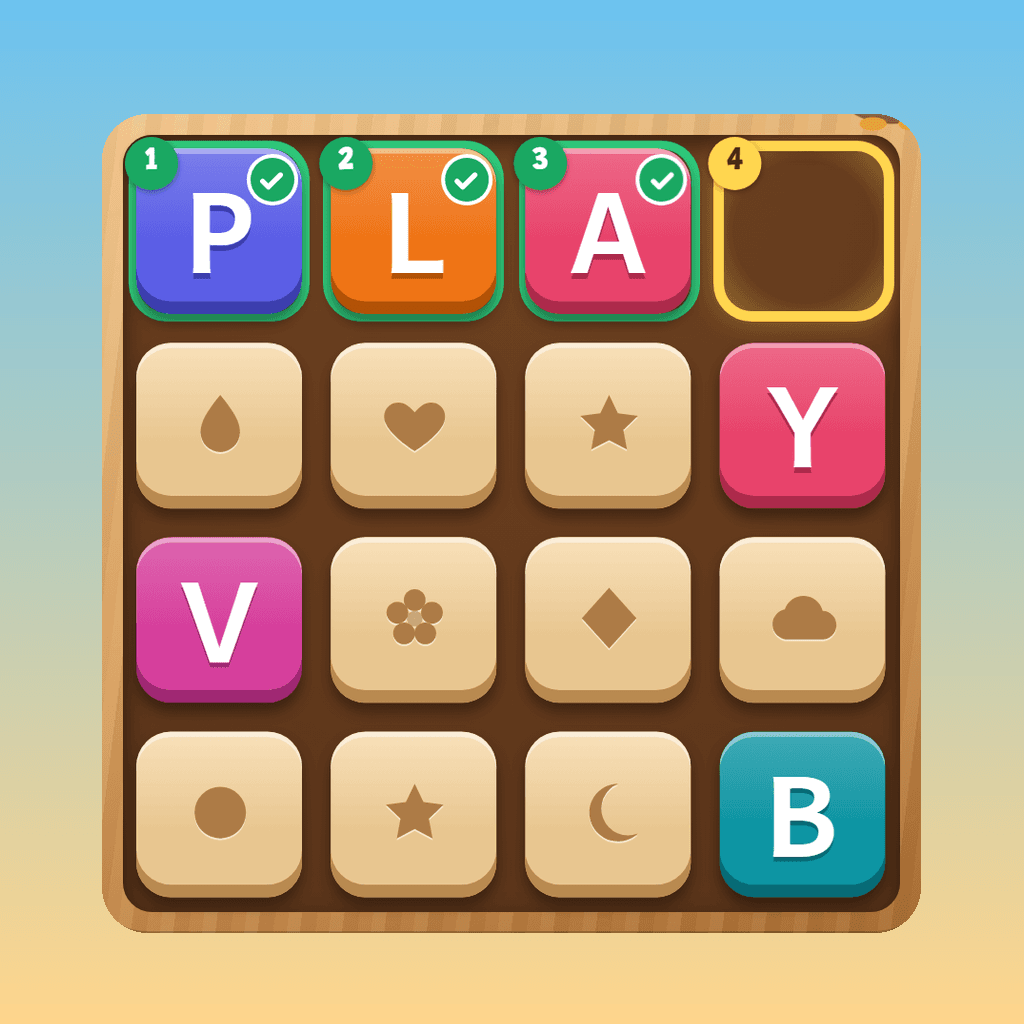
Play these wordsSpell Slide
Sliding puzzle · Ages 5+
Slide the letter tiles into the glowing boxes to spell the word.
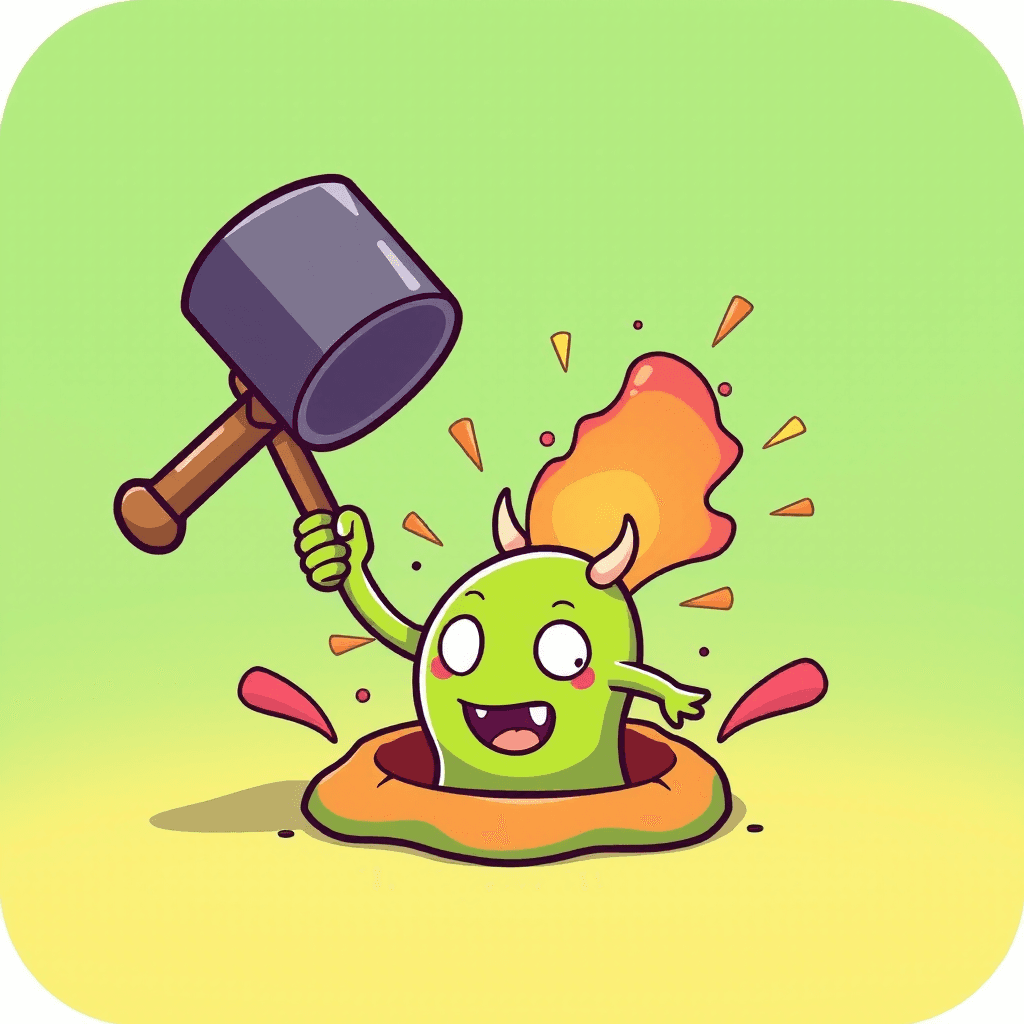
Play these wordsSplat Attack
Whack-a-mole · Ages 5+
Monsters pop up with letters. Smash the ones that spell the word.
Play these words
Frequently Asked Questions
What are sight words?
Sight words are the words a child should recognize instantly, without sounding them out. Some are irregular and cannot be decoded reliably (said, was, come); others are simply so common that stopping to decode them slows reading down. Both kinds are taught as whole words.
What is the difference between Dolch and Fry sight words?
Dolch is 220 service words split into five lists by school year, plus 95 nouns, chosen in 1936 because they resist sounding out. Fry is 1,000 words ranked by how often they appear in printed English, grouped in hundreds, published in 1996. They overlap heavily but are built on different principles: Dolch is graded, Fry is frequency-ranked.
Which list does my child's school use?
In US elementary schools, Dolch is still the most common, especially in kindergarten through second grade. Schools that prefer a frequency-ranked list use Fry. If you are not sure, ask for the list by name — the two are close enough that working through either one is time well spent.
How many sight words should my child know?
A rough guide: around 40 by the end of Pre-K, 50 to 90 by the end of kindergarten, 100 to 150 by the end of first grade, and all 220 Dolch words by the end of second or third grade. The range of normal is wide, so treat these as direction rather than a deadline.
How do you teach sight words?
In small sets, daily, and briefly. Five or ten words at a time, two or three minutes a day, using flashcards, a word wall and hunting for the words in real books. Avoid sounding out the irregular ones, and check for automaticity rather than accuracy: a sight word that takes a second of thought is not learned yet.
Are sight words the same as high-frequency words?
Not quite, though the terms are often used interchangeably. High-frequency words are simply the words that appear most often. Sight words are the words a child recognizes instantly. Most high-frequency words should become sight words, but a decodable word like stop is high-frequency without being irregular.
Sight words that actually stick
SpellCrush reads each word aloud, tracks the ones your child misses and brings them back until they are automatic. Free for 7 days.
Try SpellCrush Free →