Dolch Pre-Primer Sight Words
All 40 words on the Dolch pre-primer list — the first sight words most children in the US learn, usually between ages 4 and 5.
The pre-primer list is where sight word instruction starts. Edward Dolch built it from the words that appeared most often in the books children were actually handed in their first year of school, and it has barely dated: a, and, the, you, said are as common in a 2026 picture book as they were in a 1936 primer.
Most of these 40 words cannot be sounded out in any useful way. A child who tries to decode said letter by letter gets "sa-id". The point of the list is recognition, not decoding — these words should be read the way a face is recognized, instantly and without analysis.
Forty words is a whole school year for many children, and that is normal. Ten words a term, mastered to the point of automaticity, beats forty words half-learned.
The Dolch Pre-Primer List (40 Words)
Words 1–10
Words 11–20
Words 21–30
Words 31–40
Practice these words now
A real SpellCrush session on 10 words from the Dolch Pre-Primer list — each one read aloud with a picture, a definition and a hint. No account, nothing to print.
Start the 10-word session →The 10 words are drawn from 38 of the 40 on this page, so each visit drills a different set.
How to Teach the Dolch Pre-Primer Words
Work in groups of five. Introduce a word by saying it, showing it and using it in a sentence — never by asking the child to sound it out, which teaches exactly the wrong habit for this list.
- Flashcards, three minutes a day. Short and daily beats long and weekly. Keep the pile small: five known words plus one new one.
- A word wall. Tape the current five somewhere the child passes constantly. Point at one and read it together each time you go by.
- Find it in a book. Pick a picture book and hunt for the or and on every page. This is where recognition becomes automatic.
- Colour words first. blue, red, yellow are on this list and are the easiest wins — the object gives the meaning away.
Check for automaticity, not accuracy. If your child gets the word right but pauses to think, it is not learned yet. A pre-primer word should come back in under a second.
Where This List Fits
Start here
What are sight words?
Dolch, Fry, and which list your school probably uses.
When these are automatic
Dolch Primer
52 words, typically age 5-6.
These words are taught alongside the spelling list for pre-k to kindergarten, and you can print any of them from the free worksheet generator. Not sure which list to start on? The Free Spelling Test places a child at the right level in five minutes.
Spelling games for the Dolch Pre-Primer list
A game is an easy way to practice between word lists. These are free, play in the browser and need no sign-up.
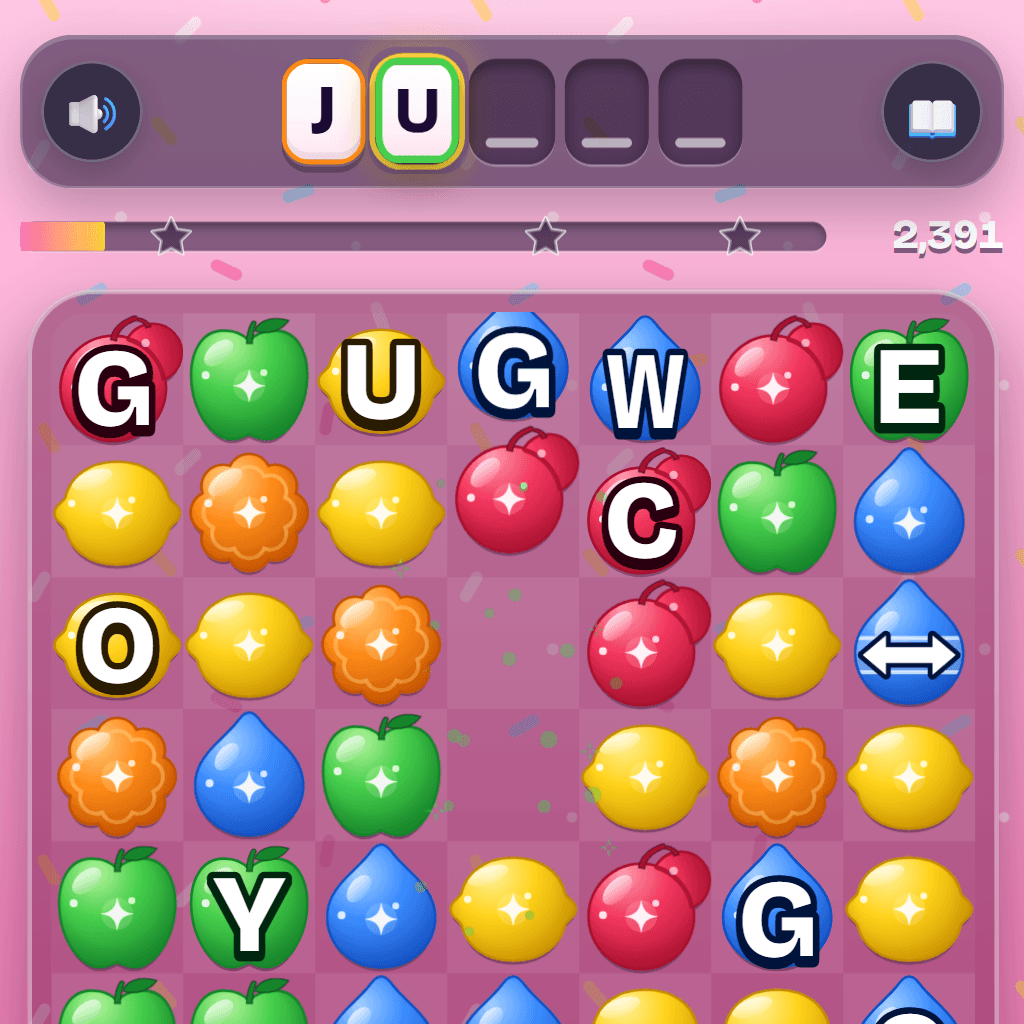
Spell Crush
Match 3 · Ages 5+
Swap candies, match three, pop the letters your word needs.
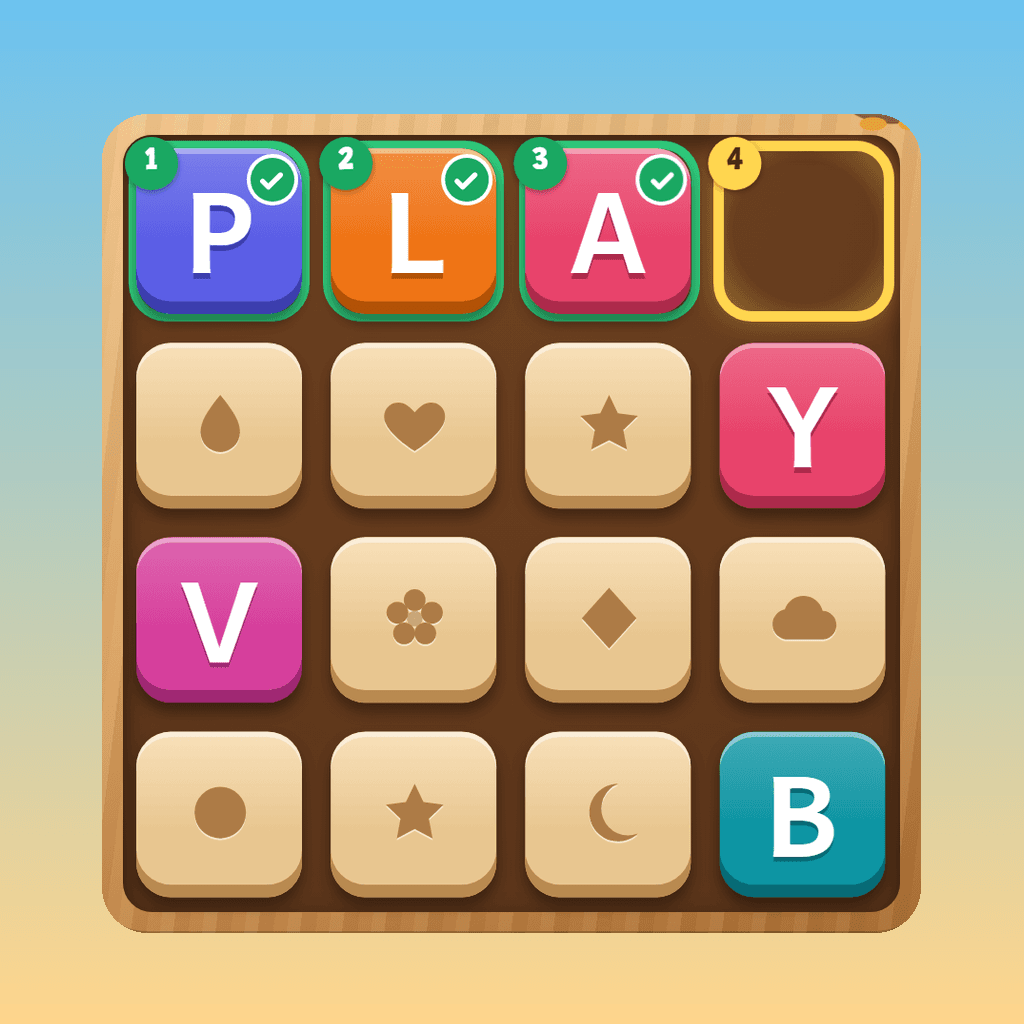
Play these wordsSpell Slide
Sliding puzzle · Ages 5+
Slide the letter tiles into the glowing boxes to spell the word.
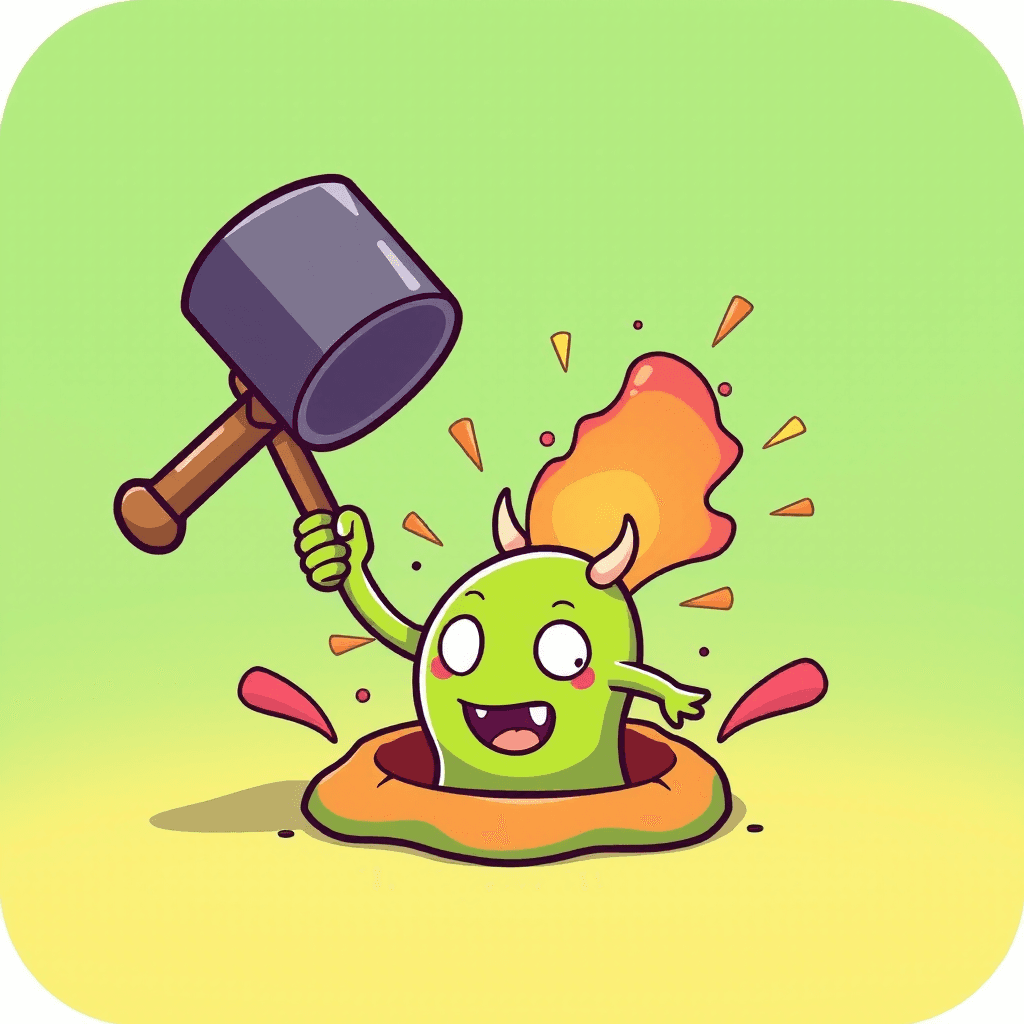
Play these wordsSplat Attack
Whack-a-mole · Ages 5+
Monsters pop up with letters. Smash the ones that spell the word.
Play these words

Frequently Asked Questions
What are the 40 Dolch pre-primer sight words?
The Dolch pre-primer list is: a, and, away, big, blue, can, come, down, find, for, funny, go, help, here, I, in, is, it, jump, little, look, make, me, my, not, one, play, red, run, said, see, the, three, to, two, up, we, where, yellow, you.
What age are pre-primer sight words for?
Most children meet them between ages 4 and 5, in Pre-K or the first half of kindergarten. There is a wide normal range: some children know all 40 before kindergarten starts, others take the whole year, and both are fine.
Should my child sound out pre-primer words?
Mostly no. Words like said, come and you do not follow regular letter-sound patterns, so decoding them teaches a strategy that fails. Teach them as whole shapes, and save sounding-out for the phonics words your child learns alongside them.
What comes after the pre-primer list?
The Dolch primer list, which is 52 words and typically taught in the second half of kindergarten. Children usually start it once they can read most of the pre-primer words instantly.
Sight words that actually stick
SpellCrush reads each word aloud, tracks the ones your child misses and brings them back until they are automatic. Free for 7 days.
Try SpellCrush Free →