Fry First 100 Words
Fry's first hundred, in frequency order — the 100 words that make up around half of everything written in English.
Edward Fry ranked the 1,000 most common words in printed English and grouped them in hundreds. This first hundred is the highest-value word list in early literacy: on its own it accounts for roughly 50% of all the words in a typical text.
The order matters. Unlike Dolch, which is graded by school year, Fry is ranked by how often a word actually appears — so the, of, and, a, to come first because they are the five most common words in English, in that order.
The overlap with Dolch is heavy. Almost every word here is also on a Dolch list. What Fry adds is a defensible order to teach them in.
The Fry First 100 List (100 Words)
Words 1–10
Words 11–20
Words 21–30
Words 31–40
Words 41–50
Words 51–60
Words 61–70
Words 71–80
Words 81–90
Words 91–100
Practice these words now
A real SpellCrush session on 10 words from the Fry First 100 list — each one read aloud with a picture, a definition and a hint. No account, nothing to print.
Start the 10-word session →The 10 words are drawn from 98 of the 100 on this page, so each visit drills a different set.
How to Teach the Fry First 100 Words
Teach in the given order and do not skip ahead. The frequency ranking means every ten words learned pays off immediately in real reading.
- Ten at a time. The list is grouped in tens below for exactly this reason. Master a group before moving on.
- Read real text after each group. Give the child a page and let them notice how many words they now know. This is the motivating part.
- Phrases, not single words. Fry also published phrase lists for a reason: in the water teaches three of these at once.
- Keep a running review pile. Every group joins the review deck permanently; high-frequency words are worth over-learning.
Fifty per cent is not an exaggeration. A child who reads these 100 words instantly is reading half the words on any page without effort, which frees up everything they have for the words that actually carry the meaning.
Where This List Fits
Start here
What are sight words?
Dolch, Fry, and which list your school probably uses.
When these are automatic
Fry Second 100
100 words, typically age 6-8.
These words are taught alongside the spelling list for kindergarten to 1st grade, and you can print any of them from the free worksheet generator. Not sure which list to start on? The Free Spelling Test places a child at the right level in five minutes.
Spelling games for the Fry First 100 list
A game is an easy way to practice between word lists. These are free, play in the browser and need no sign-up.
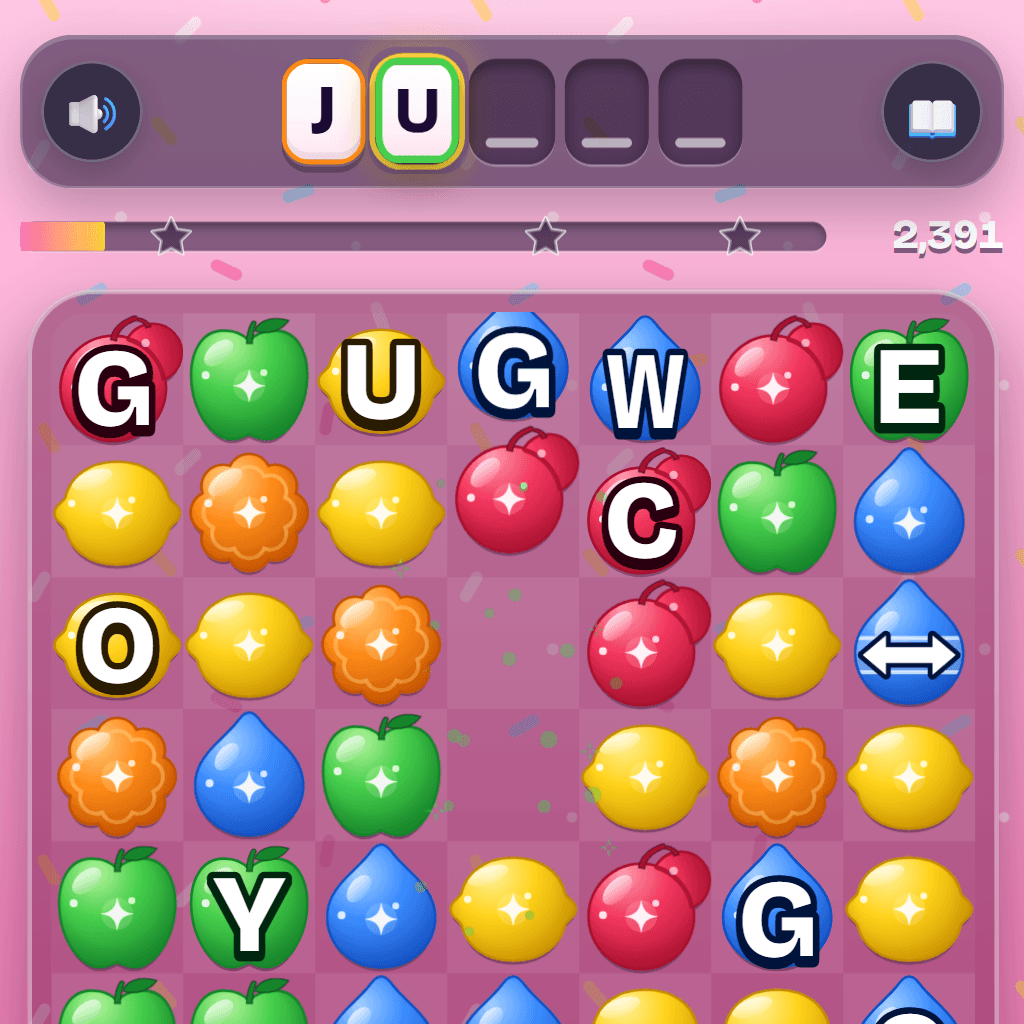
Spell Crush
Match 3 · Ages 5+
Swap candies, match three, pop the letters your word needs.
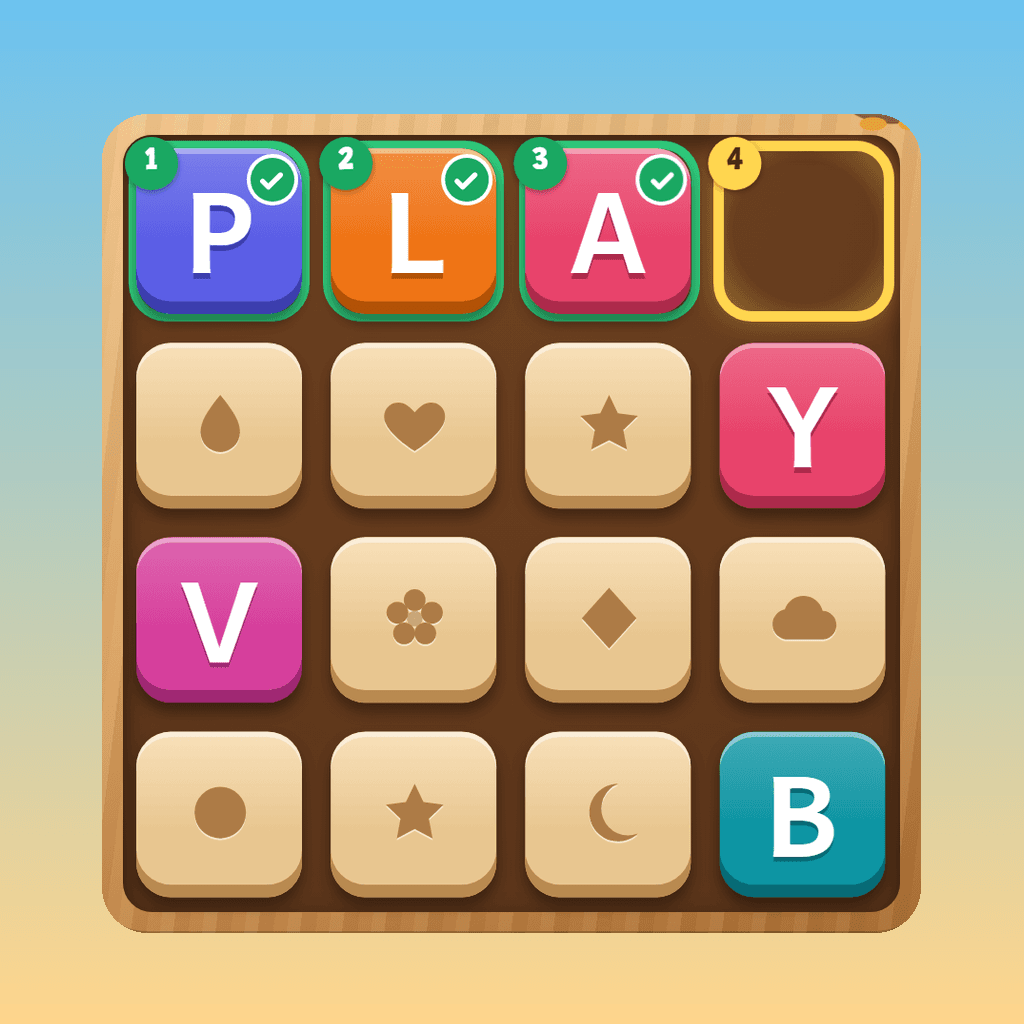
Play these wordsSpell Slide
Sliding puzzle · Ages 5+
Slide the letter tiles into the glowing boxes to spell the word.
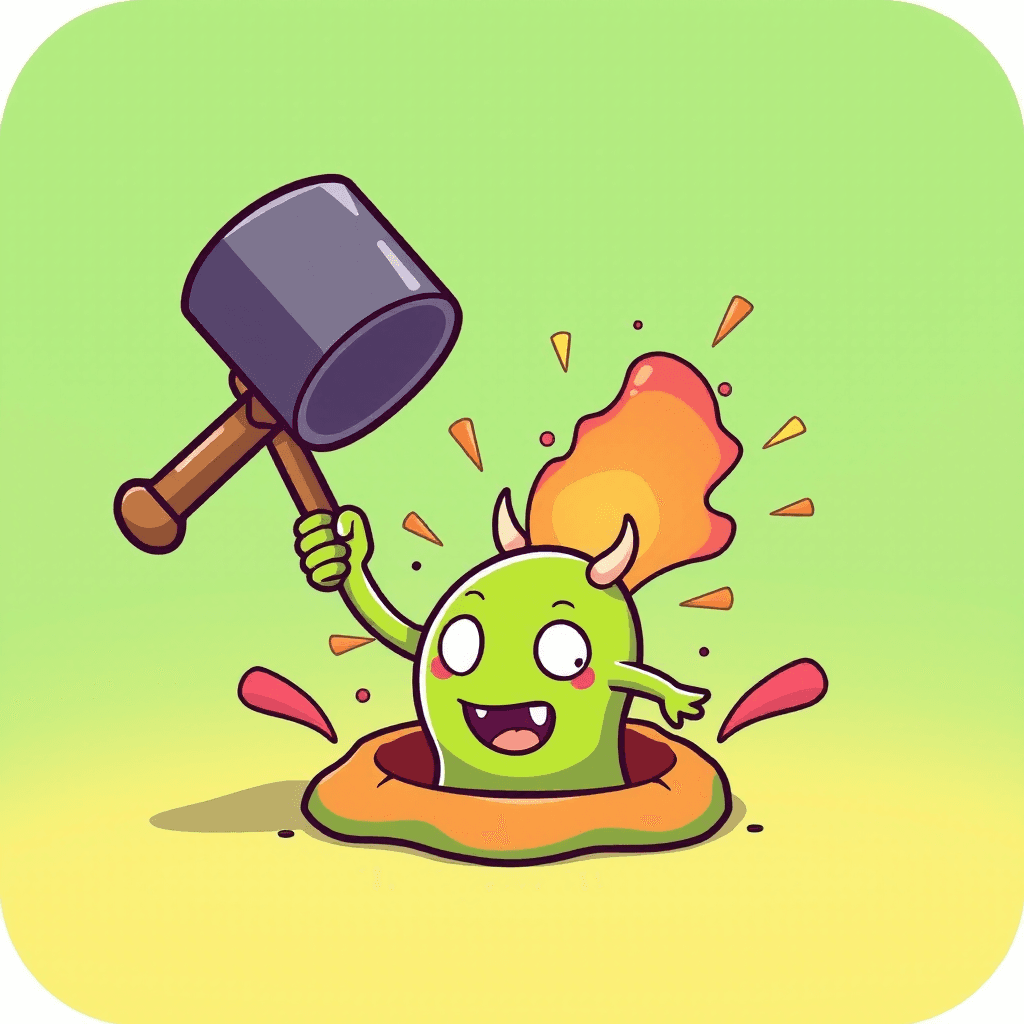
Play these wordsSplat Attack
Whack-a-mole · Ages 5+
Monsters pop up with letters. Smash the ones that spell the word.
Play these words
Frequently Asked Questions
What are the Fry first 100 words?
They are the 100 most frequent words in printed English, ranked in order by Edward Fry: the, of, and, a, to, in, is, you, that, it, and so on through part at number 100. Together they make up around half of all written text.
What is the difference between Fry and Dolch words?
Dolch is 220 words plus 95 nouns, split into five lists by school year, chosen because they resist sounding out. Fry is 1,000 words ranked purely by how often they appear in print, grouped in hundreds. They overlap heavily but are ordered on different principles.
What grade are the Fry first 100 words for?
Typically kindergarten and first grade, ages 5 to 7. Many schools aim for the first hundred by the end of first grade and the first three hundreds by the end of third.
Should I teach Fry words in order?
Yes. The order is the whole point of the list. Teaching in frequency order means the words a child learns first are the ones they will meet most often, so each group pays off immediately.
Sight words that actually stick
SpellCrush reads each word aloud, tracks the ones your child misses and brings them back until they are automatic. Free for 7 days.
Try SpellCrush Free →