Fry Sight Words
The 1,000 most common words in printed English, ranked in frequency order — what the list is for, and the first three hundreds in full.
What the Fry List Is
Edward Fry published his list in 1996, sixty years after Dolch, and built it on a different idea. Instead of choosing words that resist sounding out, he counted: he ranked the 1,000 most frequent words in printed English and grouped them in hundreds, in order.
The ordering is the point. The first hundred words alone account for roughly half of everything written in English. The first three hundred cover most of what a child at this level will meet on a page. A word list ordered by payoff means the first ten words a child learns are the ten they will see most often that week.
The overlap with Dolch is heavy — almost every word in Fry's first hundred is on a Dolch list somewhere — so a child working through one is quietly making progress on the other. What Fry adds is a defensible order; what Dolch adds is a grade-by-grade structure that maps onto how schools actually plan a year.
The Hundreds
Fry First 100
Kindergarten to 1st Grade · ages 5-7
Fry Second 100
1st to 2nd Grade · ages 6-8
Fry Third 100
2nd to 3rd Grade · ages 7-9
SpellCrush covers the first three hundreds. Fry's fourth through tenth hundreds exist, but past word 300 the frequency curve flattens out and the words start behaving like ordinary vocabulary — better learned through reading and spelling patterns than through sight word drill. To see which hundred a child should be working on, the Free Spelling Test takes about five minutes.
Fry Words 1–100
In frequency order, so the, of and and come first. Full first hundred page · practice these words
Words 1–10
Words 11–20
Words 21–30
Words 31–40
Words 41–50
Words 51–60
Words 61–70
Words 71–80
Words 81–90
Words 91–100
Fry Words 101–200
Words 101 to 200 keep the frequency order, and the list starts carrying content as well as structure: animal, house, mother, picture. Full second hundred page · practice these words
Words 101–110
Words 111–120
Words 121–130
Words 131–140
Words 141–150
Words 151–160
Words 161–170
Words 171–180
Words 181–190
Words 191–200
Fry Words 201–300
Words 201 to 300 are where the list starts to look like vocabulary: important, country, mountain, family. Full third hundred page · practice these words
Words 201–210
Words 211–220
Words 221–230
Words 231–240
Words 241–250
Words 251–260
Words 261–270
Words 271–280
Words 281–290
Words 291–300
How to Teach the Fry Words
- Ten at a time, in order. The ranking is doing work for you; skipping ahead throws it away.
- Read real text after each group. The payoff is immediate and visible, which is what keeps a child going.
- Teach phrases, not just words. in the water drills three of the first hundred at once, in the order they actually appear.
- Never retire a word. High-frequency words are worth over-learning; keep them in a review rotation permanently.
Where Fry stops being a sight word list. By the third hundred, most words are decodable and the goal has quietly changed from recognition to spelling and speed. Treat words 201–300 as a spelling list rather than a flashcard deck.
Practice these words now
A real SpellCrush session on 10 words from the Fry list — each one read aloud with a picture, a definition and a hint. No account, nothing to print.
Start the 10-word session →The 10 words are drawn from 295 of the 300 on this page, so each visit drills a different set.
Games for the Fry sight words
A game is an easy way to practice between word lists. These are free, play in the browser and need no sign-up.
Spell Crush
Match 3 · Ages 5+
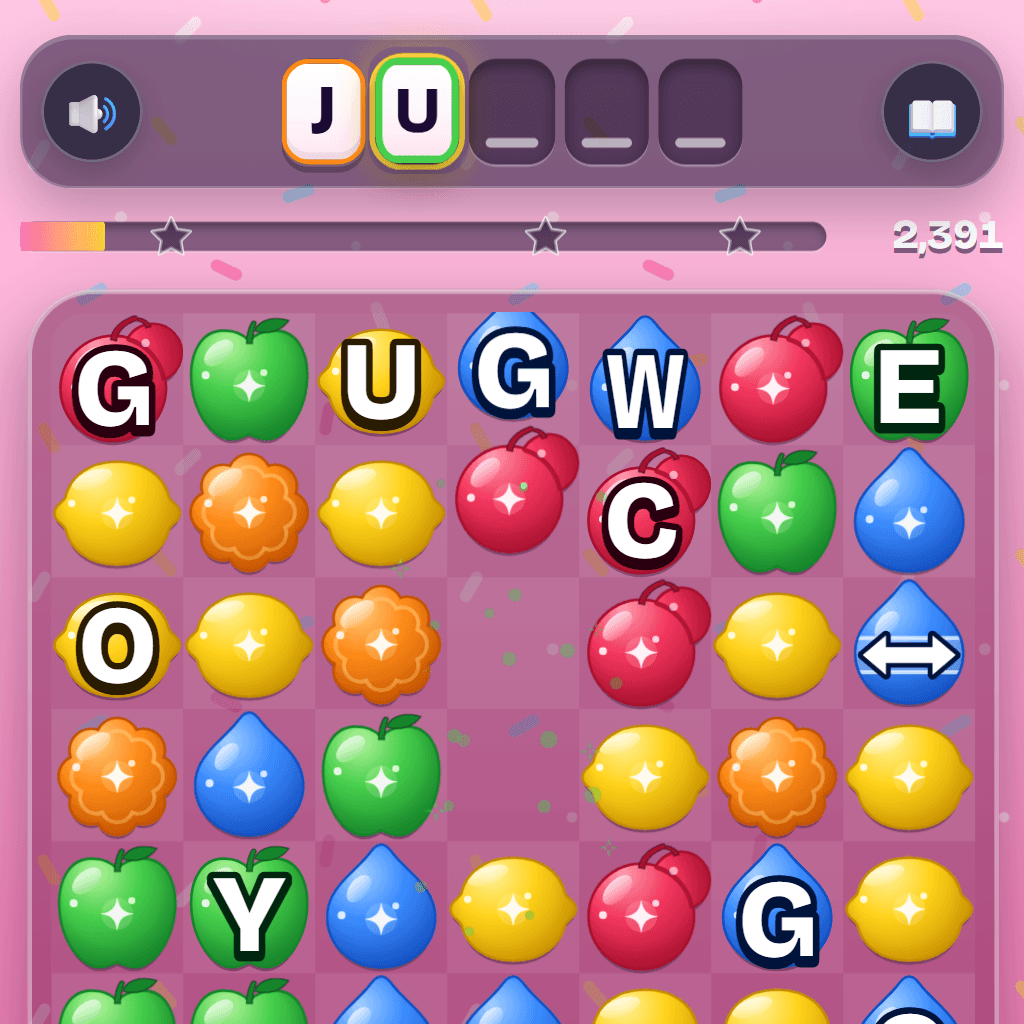
Swap candies, match three, pop the letters your word needs.
Play these wordsSpell Slide
Sliding puzzle · Ages 5+
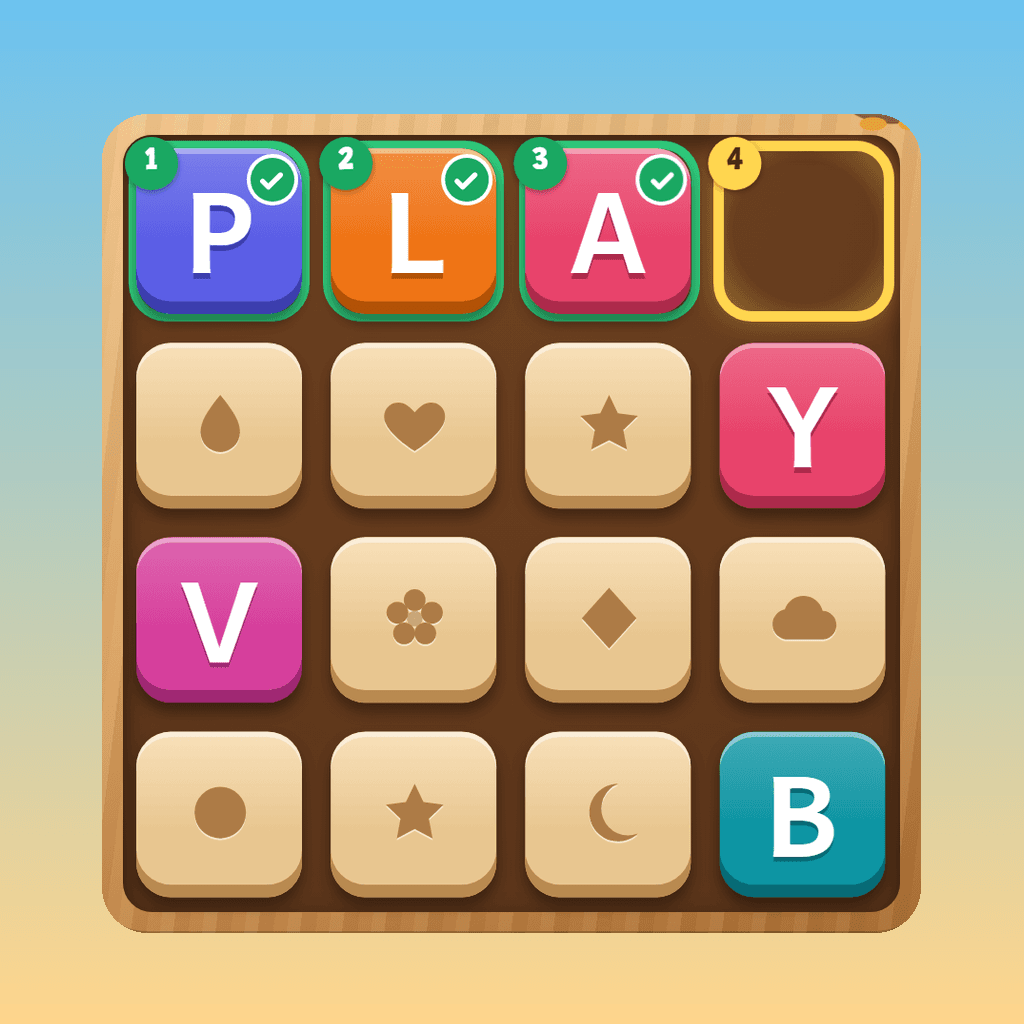
Slide the letter tiles into the glowing boxes to spell the word.
Play these wordsSplat Attack
Whack-a-mole · Ages 5+
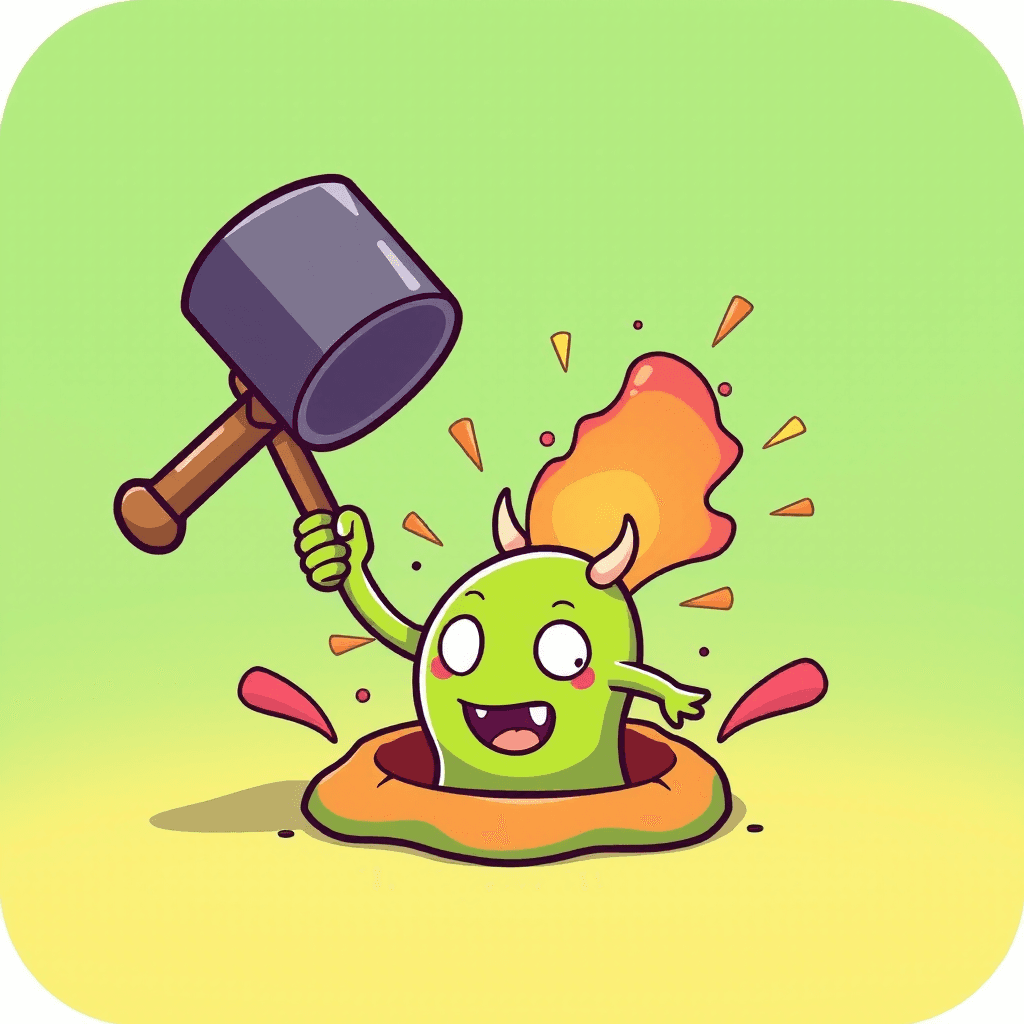
Monsters pop up with letters. Smash the ones that spell the word.
Play these words
Frequently Asked Questions
What are Fry sight words?
They are the 1,000 most frequent words in printed English, ranked in order by Edward Fry and grouped in hundreds. Unlike Dolch, the list is not assigned to school years: it is ordered purely by how often each word appears in print.
How many Fry words should my child learn?
The first three hundreds cover the great majority of the payoff. The first hundred alone accounts for around half of all written text, and by word 300 the frequency curve has flattened enough that ordinary spelling and vocabulary work is a better use of the time.
What is the difference between Fry and Dolch?
Dolch is 220 words plus 95 nouns, split into five lists by school year and chosen because they resist sounding out. Fry is 1,000 words ranked by frequency in printed English and grouped in hundreds. They overlap heavily, but Dolch is graded and Fry is ranked.
What grade level are the Fry hundreds?
As a rough guide: the first hundred in kindergarten and first grade, the second hundred in first and second, the third hundred in second and third. Schools that use Fry commonly target one hundred per school year.
Should Fry words be taught in order?
Yes, and this is the main advantage of the list. Teaching in frequency order means the words learned first are the ones a child meets most often, so every group of ten pays off in real reading immediately.
One hundred words at a time
SpellCrush reads each word aloud, remembers the ones your child misses and brings them back until they stick. Free for 7 days.
Try SpellCrush Free →