Dolch Primer Sight Words
All 52 words on the Dolch primer list — the second sight word level, usually taught across kindergarten once the pre-primer words are automatic.
The primer list is the largest of the five Dolch levels and the one where sight word reading starts to pay off. With the pre-primer and primer lists together, a child can read a large share of the words in most early readers without stopping.
It is also where the tricky ones start. was, what, who, there, they all break the patterns a child is being taught in phonics at the same time, which is exactly why they are on a sight word list rather than in a phonics scheme.
Watch for the near-twins: was and saw, on and no, what and want. Children mix these up for months, and it is a normal stage rather than a warning sign.
The Dolch Primer List (52 Words)
Words 1–10
Words 11–20
Words 21–30
Words 31–40
Words 41–50
Words 51–52
Practice these words now
A real SpellCrush session on 10 words from the Dolch Primer list — each one read aloud with a picture, a definition and a hint. No account, nothing to print.
Start the 10-word session →The 10 words are drawn from 52 of the 52 on this page, so each visit drills a different set.
How to Teach the Dolch Primer Words
Fifty-two words is too many for one push. Split the list into five sets of ten and treat each set as a small project with an end to it.
- Separate the confusable pairs. Teach was weeks before saw. Introducing them together doubles the confusion.
- Sentence framing. These words rarely mean anything alone, so drill them in short sentences: What do you want?
- Rainbow writing. Write the word once, then trace over it in three colours. The motor repetition helps where meaning cannot.
- Read the words backwards. Reading a list bottom-up stops a child reciting from memory instead of reading.
Colour and number words are free marks. black, brown, white, four are all on this list and all attach to something a child can see, so lead with them when confidence is low.
Where This List Fits
Before this
Dolch Pre-Primer
40 words, typically age 4-5.
When these are automatic
Dolch First Grade
41 words, typically age 6-7.
These words are taught alongside the spelling list for kindergarten, and you can print any of them from the free worksheet generator. Not sure which list to start on? The Free Spelling Test places a child at the right level in five minutes.
Spelling games for the Dolch Primer list
A game is an easy way to practice between word lists. These are free, play in the browser and need no sign-up.
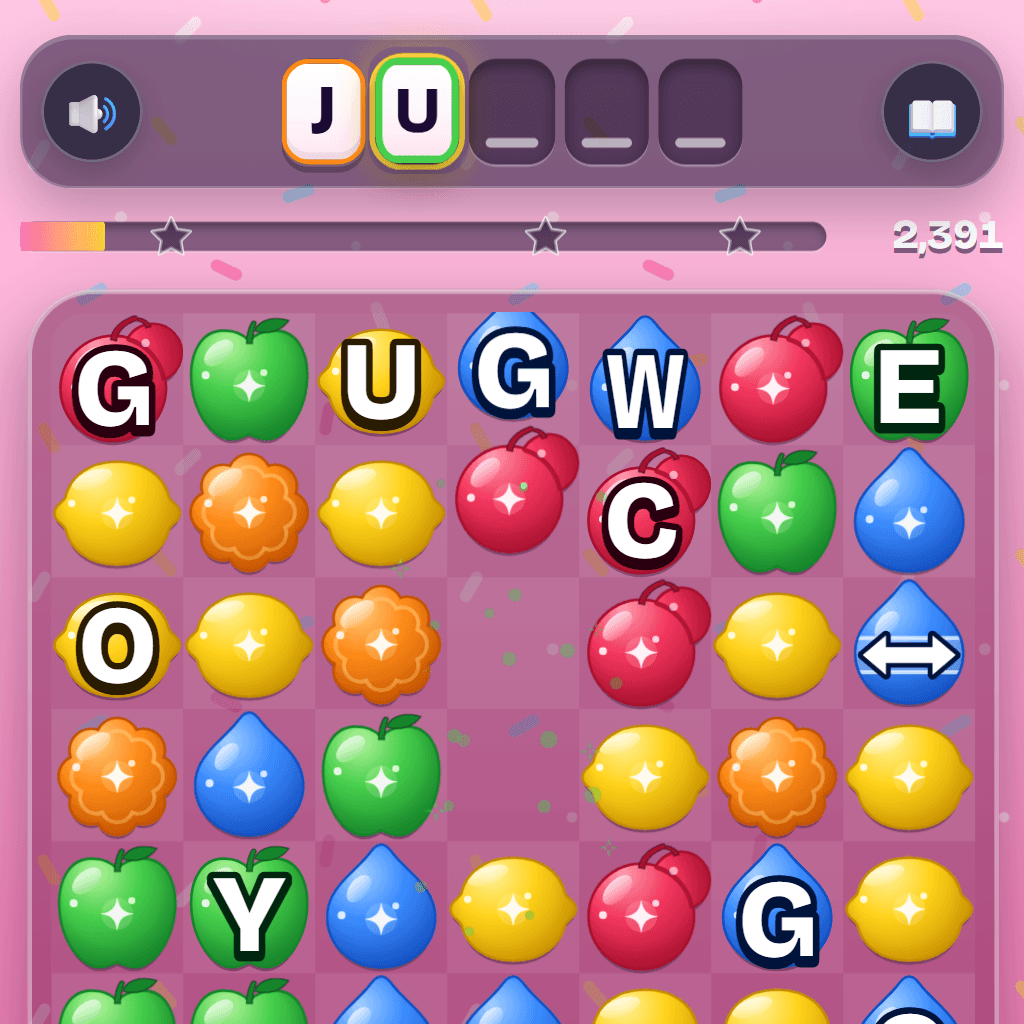
Spell Crush
Match 3 · Ages 5+
Swap candies, match three, pop the letters your word needs.
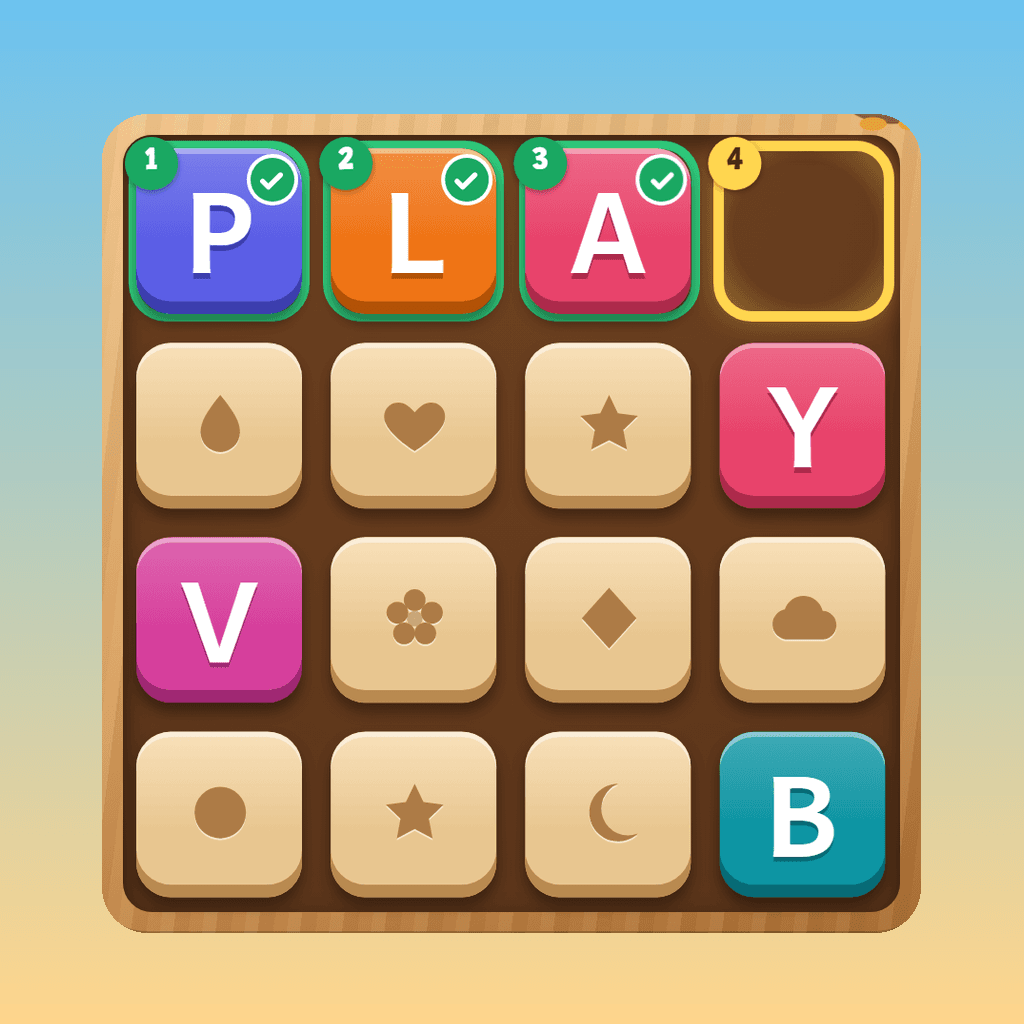
Play these wordsSpell Slide
Sliding puzzle · Ages 5+
Slide the letter tiles into the glowing boxes to spell the word.
Play these wordsSplat Attack
Whack-a-mole · Ages 5+
Monsters pop up with letters. Smash the ones that spell the word.
Play these words

Frequently Asked Questions
What are the 52 Dolch primer sight words?
The Dolch primer list is: all, am, are, at, ate, be, black, brown, but, came, did, do, eat, four, get, good, have, he, into, like, must, new, no, now, on, our, out, please, pretty, ran, ride, saw, say, she, so, soon, that, there, they, this, too, under, want, was, well, went, what, white, who, will, with, yes.
When should a child learn the primer list?
Typically in kindergarten, ages 5 to 6, after the 40 pre-primer words are automatic. Schools usually spread the 52 words across the year rather than teaching them in a block.
Why does my child keep confusing was and saw?
Because they contain the same three letters and both are high-frequency, so a child guessing from letter shapes rather than order hits the wrong one half the time. Teach them apart, and use sentences where only one can fit.
How many sight words should a kindergartner know?
By the end of kindergarten, most children can read the 40 pre-primer words and much of the 52-word primer list. Around 50 to 90 sight words is a strong kindergarten outcome.
Sight words that actually stick
SpellCrush reads each word aloud, tracks the ones your child misses and brings them back until they are automatic. Free for 7 days.
Try SpellCrush Free →