Year 5 Spelling Words
120 words for Year 5 in the UK, Australia and New Zealand — -ough words, silent letters, -cious and -tious endings, hyphenated words and the statutory Year 5/6 list.
In England and Wales, Year 5 is ages 9–10 — the third year of Key Stage 2.
In Australia and New Zealand, Year 5 is ages 10–11 — about a school year ahead of UK Year 5.
One list, two year systems. The core sections below are pitched at the younger UK cohort. The extension words at the end are the ones Australian and New Zealand Year 5 classes usually reach first, and they are the natural next step for confident UK spellers.
What Spelling Skills Does Year 5 Cover?
Year 5 is where English stops being reasonable. The patterns here have real exceptions, and the honest lesson is that some words have to be learned as themselves. By the end of the year, most children can:
The -ough Words (14 Words)
Four letters, and no reliable way to know which sound they make. The trick is not to teach a rule — there is not one — but to teach the words in sound families, so each group is remembered together.
Practice tip: read the sentence "a rough, thorough thought bought through a borough" aloud together. Six -ough words, six different jobs — it makes the point in one breath.
Silent Letters (20 Words)
Most silent letters were once spoken — the k in knight was pronounced in Chaucer's day. Saying the old form out loud, deliberately wrongly, is the fastest way to make the letter stick.
The -cious and -tious Endings (16 Words)
Both say "shus". The root word usually decides: space gives spacious, and caution gives cautious. Where there is no root to look at, the word simply has to be learned.
Hyphenated Words (14 Words)
A hyphen keeps two vowels from colliding (co-operate, re-enter) and joins words that work as one idea (well-known). British and Australian English keep the hyphen in several words where American English has dropped it.
Statutory Year 5 Words (34 Words)
The first half of the English National Curriculum Year 5/6 word list — the second half is on the Year 6 page. These are the words that keep appearing all the way through secondary school, so time spent here pays back for years.
Extension Words (22 Words)
The next stretch of the statutory list, and the words Australian and New Zealand Year 5 classes usually reach first. Note marvellous with two l letters — that is the spelling used in the UK, Australia and New Zealand.
Practise These Words in British or Australian English
SpellCrush lets you set your child's spelling variant to British or Australian English, so the app marks criticise and marvellous as correct — not as mistakes. Every word is read aloud, and kids earn XP for practising daily.
Start Free Practice →Or take the Year 5 spelling quiz: hear each word and tap the right spelling.
Not Sure If Your Child Is at Year 5 Level?
Take our free five-minute spelling assessment — no sign-up required. It finds your child's actual spelling level and suggests where to start.
Free Spelling TestSpelling games for Year 5
A game is an easy way to practise between word lists. These are free, play in the browser and need no sign-up.
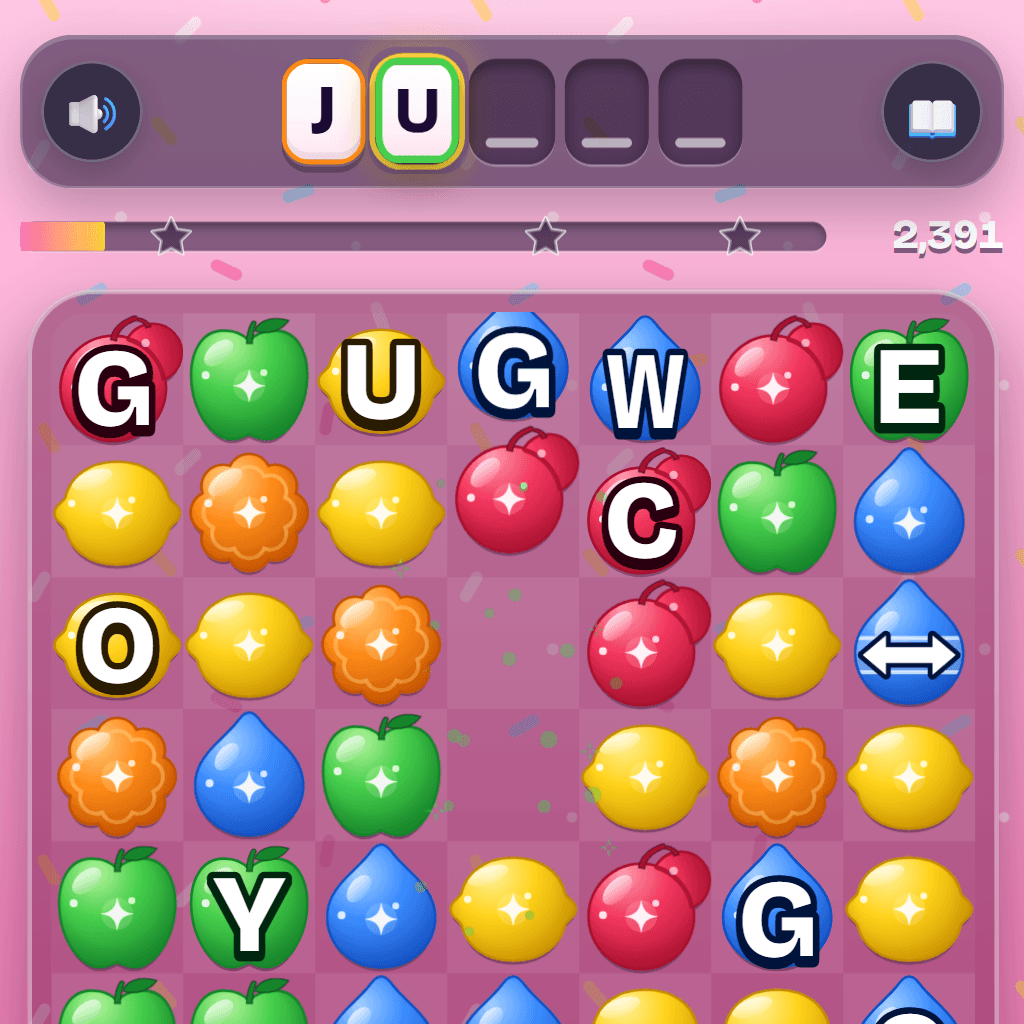
Spell Crush
Match 3 · Ages 5+
Swap candies, match three, pop the letters your word needs.
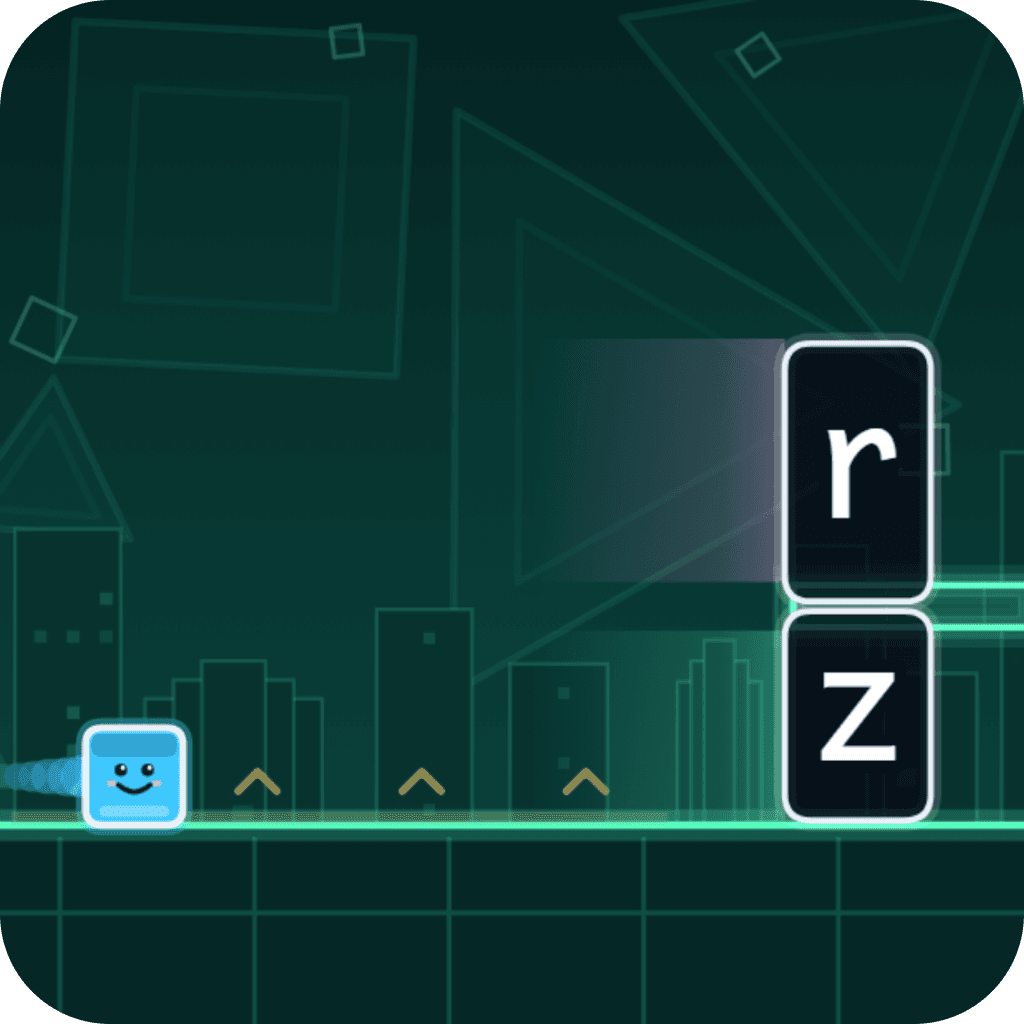
Play these wordsSpell Dash
Rhythm runner · Ages 7+
Tap to jump. Pick the right letter road. Don't crash!
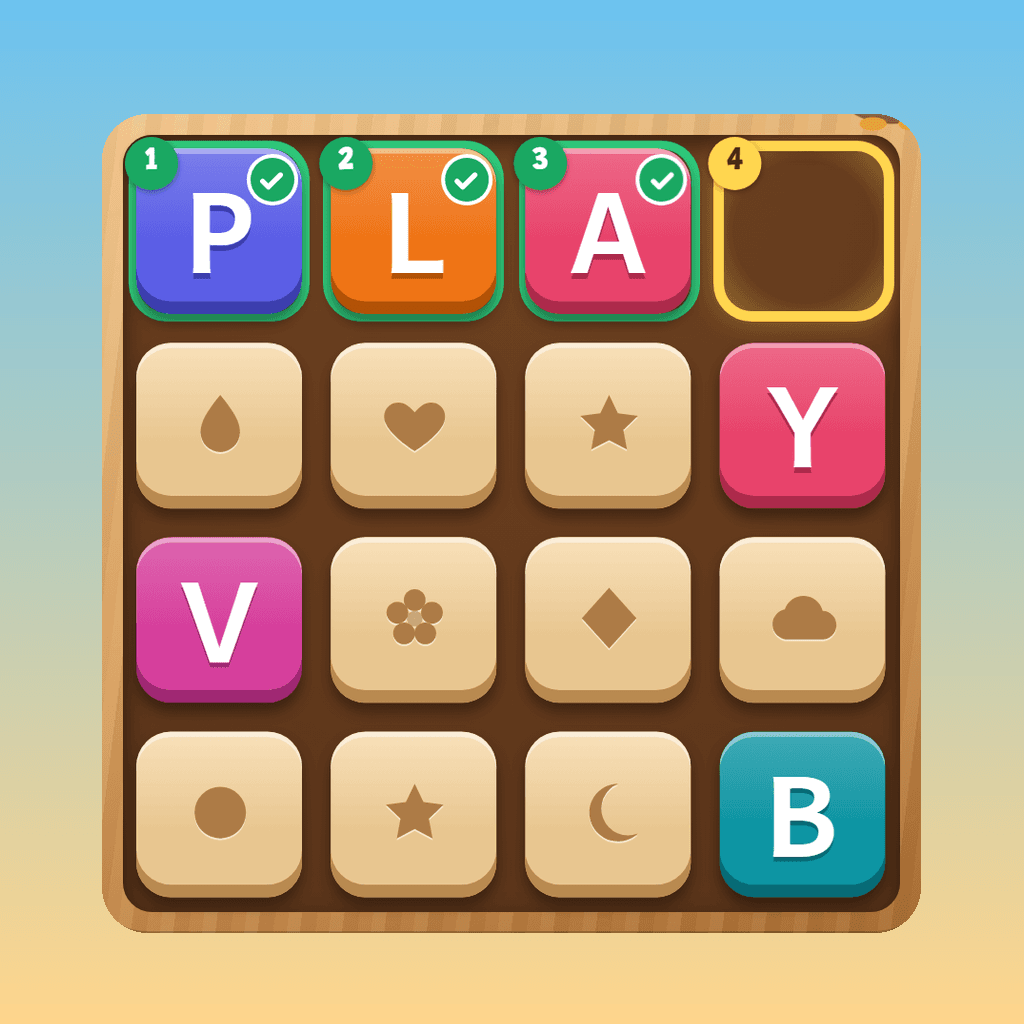
Play these wordsSpell Slide
Sliding puzzle · Ages 5+
Slide the letter tiles into the glowing boxes to spell the word.
Play these words

Frequently Asked Questions
What spelling words should a Year 5 child know?
By the end of Year 5, children should be working confidently through the statutory Year 5/6 word list, spelling -cious and -tious endings, handling silent letters, and recognising that -ough spells several different sounds. Around 120 words taught explicitly is a realistic year.
Is Year 5 in Australia the same as Year 5 in the UK?
No. In England and Wales, Year 5 is ages 9 to 10. In Australia and New Zealand, Year 5 is ages 10 to 11 - about a school year ahead. The core sections here suit the younger UK cohort, and the extension words are the ones Australian Year 5 classes usually reach first.
What is the statutory Year 5/6 spelling list?
It is the list of 100 words in the English National Curriculum that children are expected to spell by the end of Year 6. This page carries the first half, and our Year 6 page carries the second. They are the words that turn up in secondary school and never stop turning up.
Are these words spelled the British and Australian way?
Yes. Every word uses British spelling, which Australia and New Zealand share - criticise with an s, and marvellous with two l letters. Both the UK and Australia accept -ise endings, so this page uses -ise throughout rather than mixing the two.
How do you teach silent letters?
Give the letter a reason. The k in knight and the w in wrestle were once pronounced, and saying the old version aloud - k-night - makes the spelling memorable rather than arbitrary. Children remember a story about a word far longer than they remember the word.
Spelling Practice Your Child Will Actually Do
SpellCrush turns the Year 5 list into a game — XP, achievements and rewards, with a progress dashboard for parents. Free for 7 days, cancel anytime.
Try SpellCrush Free →Looking for the US Equivalent?
In the US, this is roughly 4th grade for the UK cohort and 5th grade for the Australian one. The American lists are not translations of this one — they use American spellings and a different sequence — so treat them as a companion, not a substitute.