Year 6 Spelling Words
120 words for Year 6 in the UK, Australia and New Zealand — -cede and -ceed, the -ant and -ent families, Greek and Latin roots, the confusions that cost marks, and the statutory Year 5/6 list.
In England and Wales, Year 6 is ages 10–11 — the final year of primary school.
In Australia and New Zealand, Year 6 is ages 11–12 — about a school year ahead of UK Year 6.
One list, two year systems. The core sections below are pitched at the younger UK cohort. The extension words at the end are the ones Australian and New Zealand Year 6 classes usually reach first, and they are the natural next step for confident UK spellers.
What Spelling Skills Does Year 6 Cover?
Year 6 is the year spelling becomes about meaning. Roots, word families and noun-verb pairs all reward a child who thinks about what the word is doing rather than only what it sounds like. By the end of the year, most children can:
-cede, -ceed and -sede (10 Words)
This is one of the few English spelling questions with a genuine answer. Three words end -ceed, exactly one ends -sede, and everything else ends -cede. Learn the four exceptions and the rest follows.
Practice tip: the three -ceed words are proceed, exceed and succeed, and the one -sede word is supersede. Four words memorised, and the whole family is solved.
The -ant and -ent Families (22 Words)
There is no way to hear the difference between -ant and -ent — both are just a mumble. What helps is learning each word next to its partner, because the vowel stays the same across the family.
Greek and Latin Roots (21 Words)
A root carries meaning across dozens of words. A child who knows micro- is small and scope is to look can spell microscope without ever having learned it, and can make a sensible attempt at a word they have never seen before.
The Confusions That Cost Marks (16 Words)
Two of these pairs — practice and practise, licence and license — exist in British and Australian English but not in American English, where one spelling covers both jobs. It is the clearest single reason a UK, Australian or New Zealand child needs a list written for their own spelling system.
practice is the noun (spelling practice); practise is the verb (I practise spelling).
licence is the noun (a driving licence); license is the verb (to license a vehicle).
advice is the noun; advise is the verb, and its s sounds like a z.
affect is usually the verb (rain affects play); effect is usually the noun (the effect of rain).
stationary means standing still; stationery is paper and pens - e for envelope.
the principal is a person or the main thing; a principle is a rule.
a complement completes something; a compliment is praise - i for I like it.
dessert has two s letters because you always want more of it.
Statutory Year 6 Words (30 Words)
The second half of the English National Curriculum Year 5/6 word list — the first half is on the Year 5 page. Note neighbour, programme and recognise: three words an American list would spell differently.
Extension Words (21 Words)
The last stretch of the statutory list, and the words Australian and New Zealand Year 6 classes usually reach first. These are the words that follow a child straight into secondary school.
Practise These Words in British or Australian English
SpellCrush lets you set your child's spelling variant to British or Australian English, so the app marks neighbour and practise as correct — not as mistakes. Every word is read aloud, and kids earn XP for practising daily.
Start Free Practice →Or take the Year 6 spelling quiz: hear each word and tap the right spelling.
Not Sure If Your Child Is at Year 6 Level?
Take our free five-minute spelling assessment — no sign-up required. It finds your child's actual spelling level and suggests where to start.
Free Spelling TestSpelling games for Year 6
A game is an easy way to practise between word lists. These are free, play in the browser and need no sign-up.
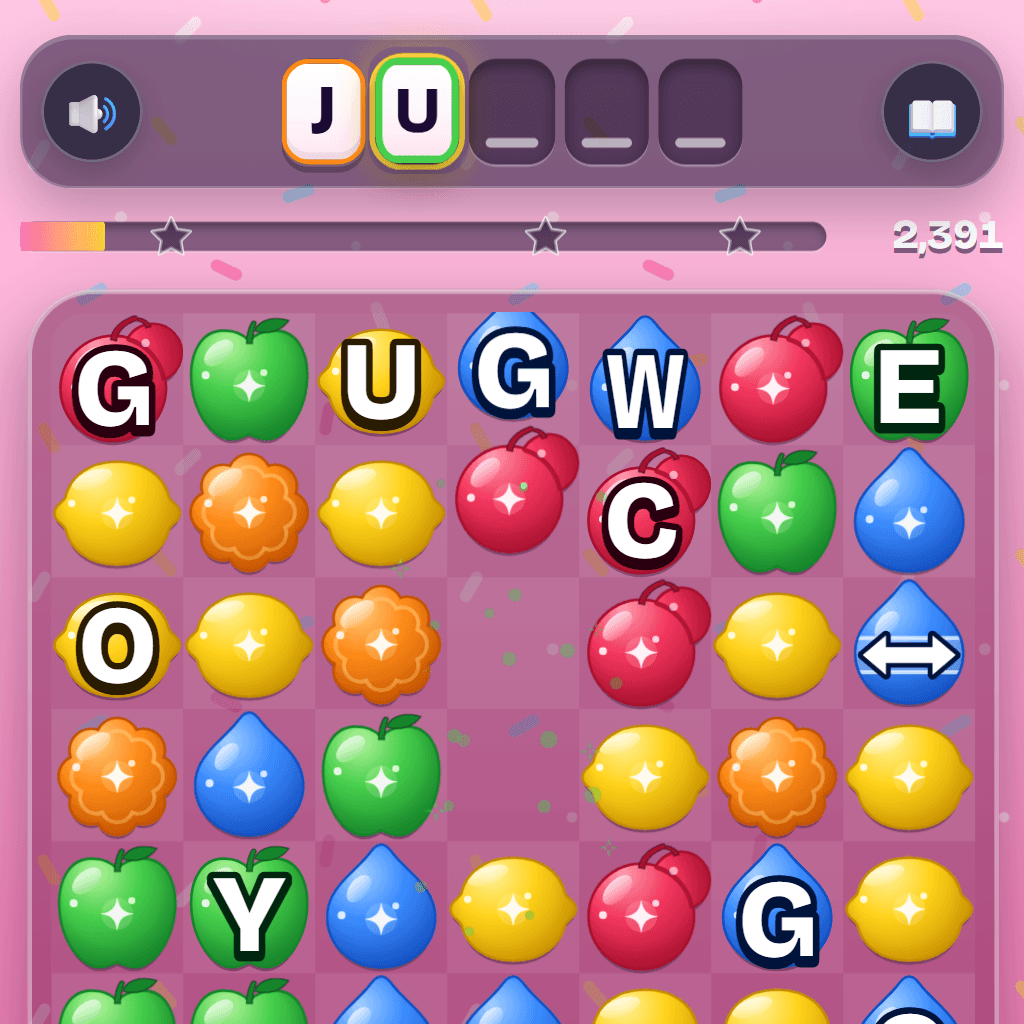
Spell Crush
Match 3 · Ages 5+
Swap candies, match three, pop the letters your word needs.
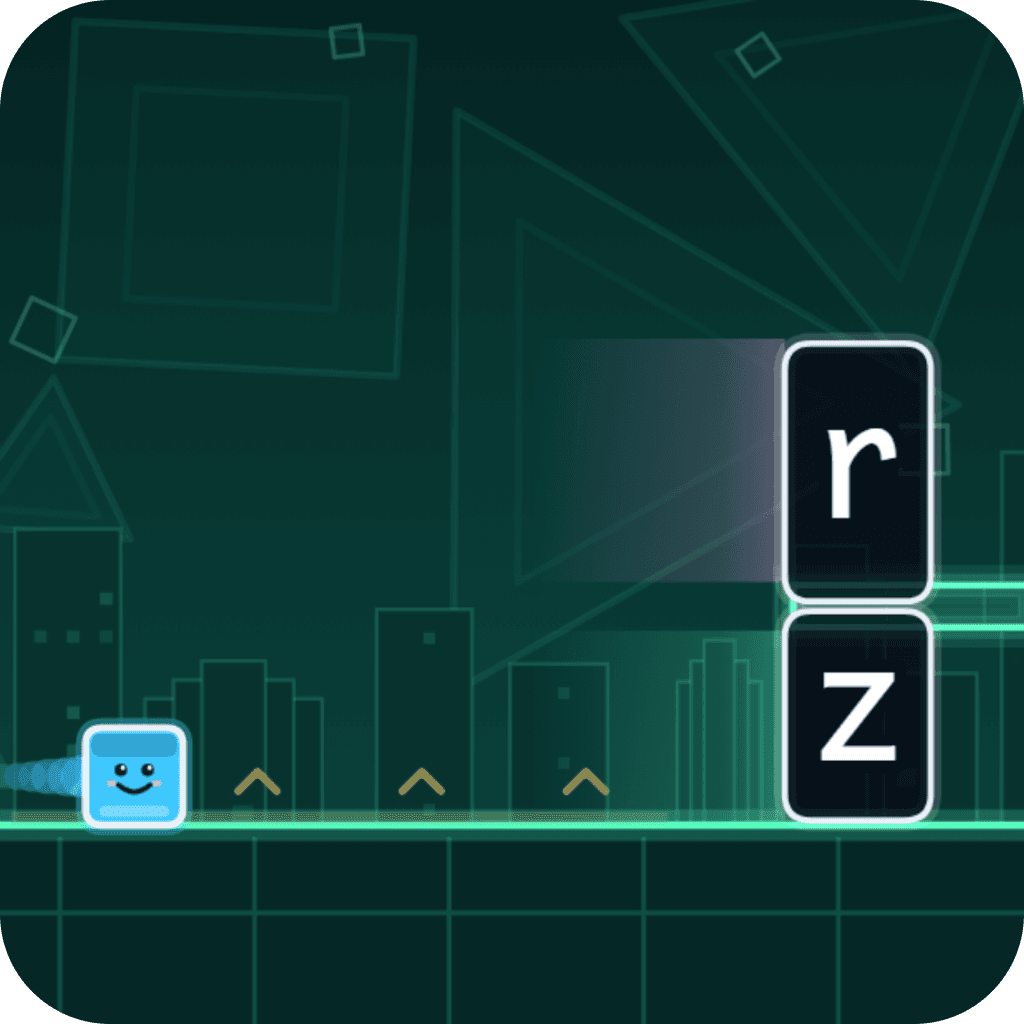
Play these wordsSpell Dash
Rhythm runner · Ages 7+
Tap to jump. Pick the right letter road. Don't crash!
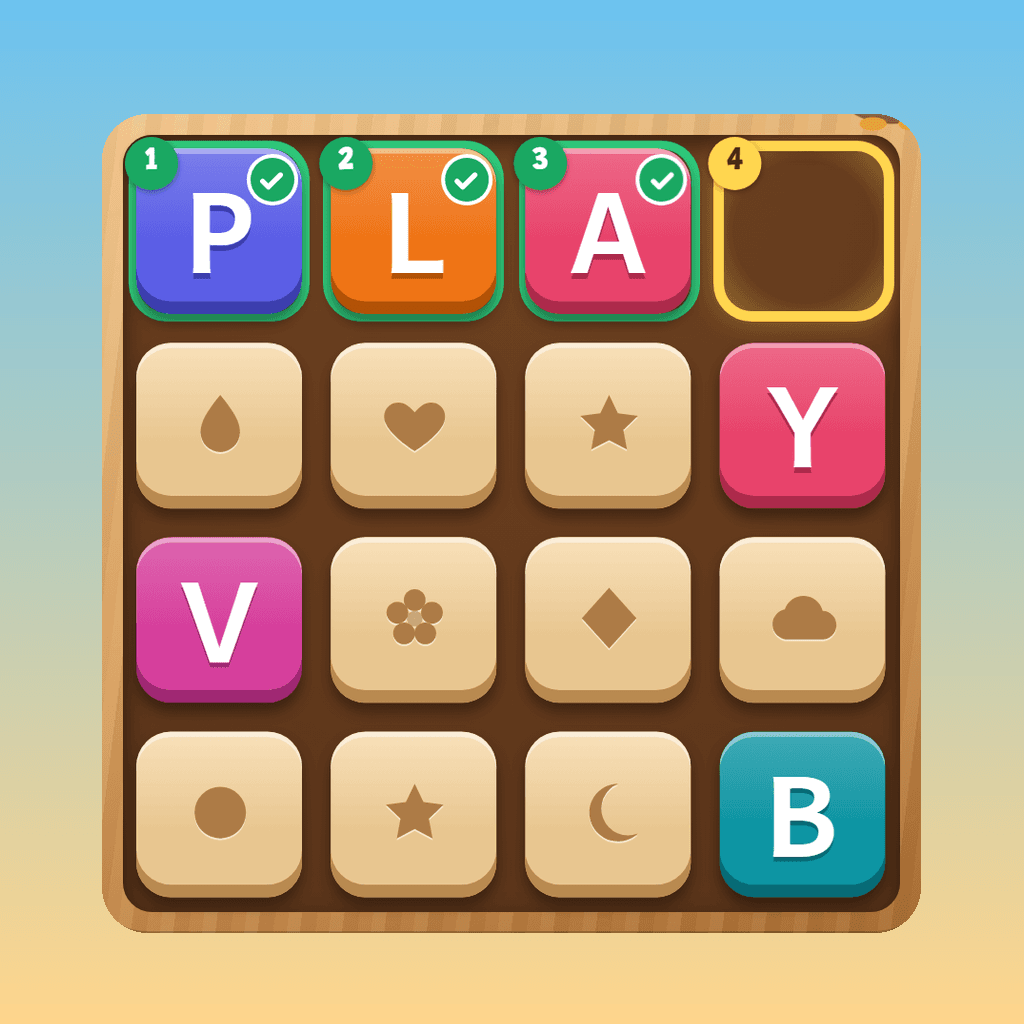
Play these wordsSpell Slide
Sliding puzzle · Ages 5+
Slide the letter tiles into the glowing boxes to spell the word.
Play these words

Frequently Asked Questions
What spelling words should a Year 6 child know?
By the end of Year 6, children are expected to spell the whole statutory Year 5/6 word list, choose correctly between -cede, -ceed and -sede, handle the -ant and -ent families, use Greek and Latin roots to work out unfamiliar words, and separate the noun and verb forms of practice and licence.
Is Year 6 in Australia the same as Year 6 in the UK?
No. In England and Wales, Year 6 is ages 10 to 11 and ends primary school. In Australia and New Zealand, Year 6 is ages 11 to 12 - about a school year ahead, and in most states the final primary year too. The core sections here suit the younger UK cohort, and the extension words are the ones Australian Year 6 classes usually reach first.
Practice or practise - which is right?
Both, in different jobs. In British and Australian English, practice is the noun (spelling practice) and practise is the verb (I practise spelling). The same split applies to licence and license, and to advice and advise. American English uses practice for both, which is why an American word list is the wrong tool for a UK or Australian child.
Are these words spelled the British and Australian way?
Yes. Every word uses British spelling, which Australia and New Zealand share - neighbour, programme and recognise. This is the year those choices start costing marks, so the list has to match the classroom.
How do Greek and Latin roots help with spelling?
They turn guessing into reasoning. A child who knows that tele- means far off and micro- means small can spell telescope and microscope without ever having learned them as words, and can make a sensible attempt at a word they have never seen. It is the single highest-return idea in Year 6 spelling.
Spelling Practice Your Child Will Actually Do
SpellCrush turns the Year 6 list into a game — XP, achievements and rewards, with a progress dashboard for parents. Free for 7 days, cancel anytime.
Try SpellCrush Free →Looking for the US Equivalent?
In the US, this is roughly 5th grade for the UK cohort and 6th grade for the Australian one. The American lists are not translations of this one — they use American spellings and a different sequence — so treat them as a companion, not a substitute.